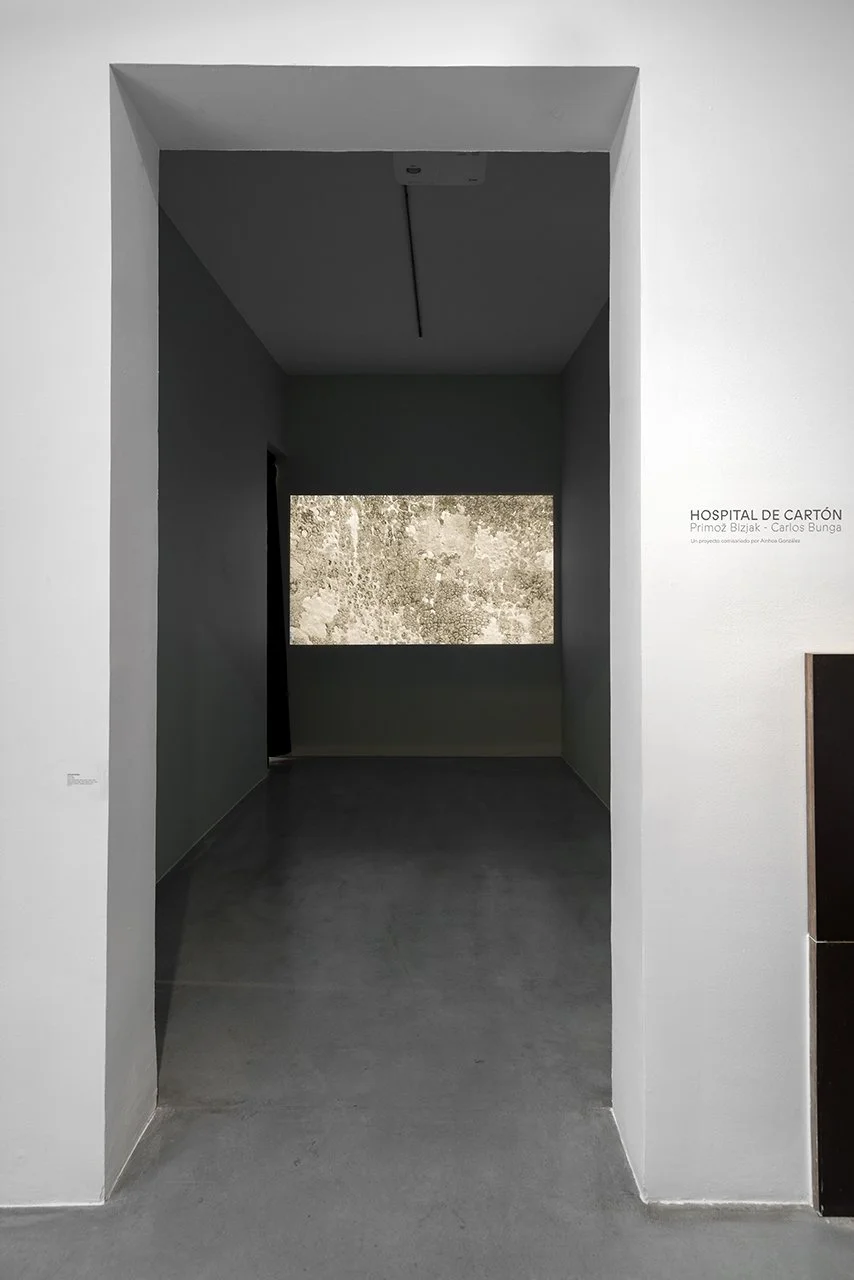
Hospital de cartón. Un proyecto de Primož Bizjak y Carlos Bunga
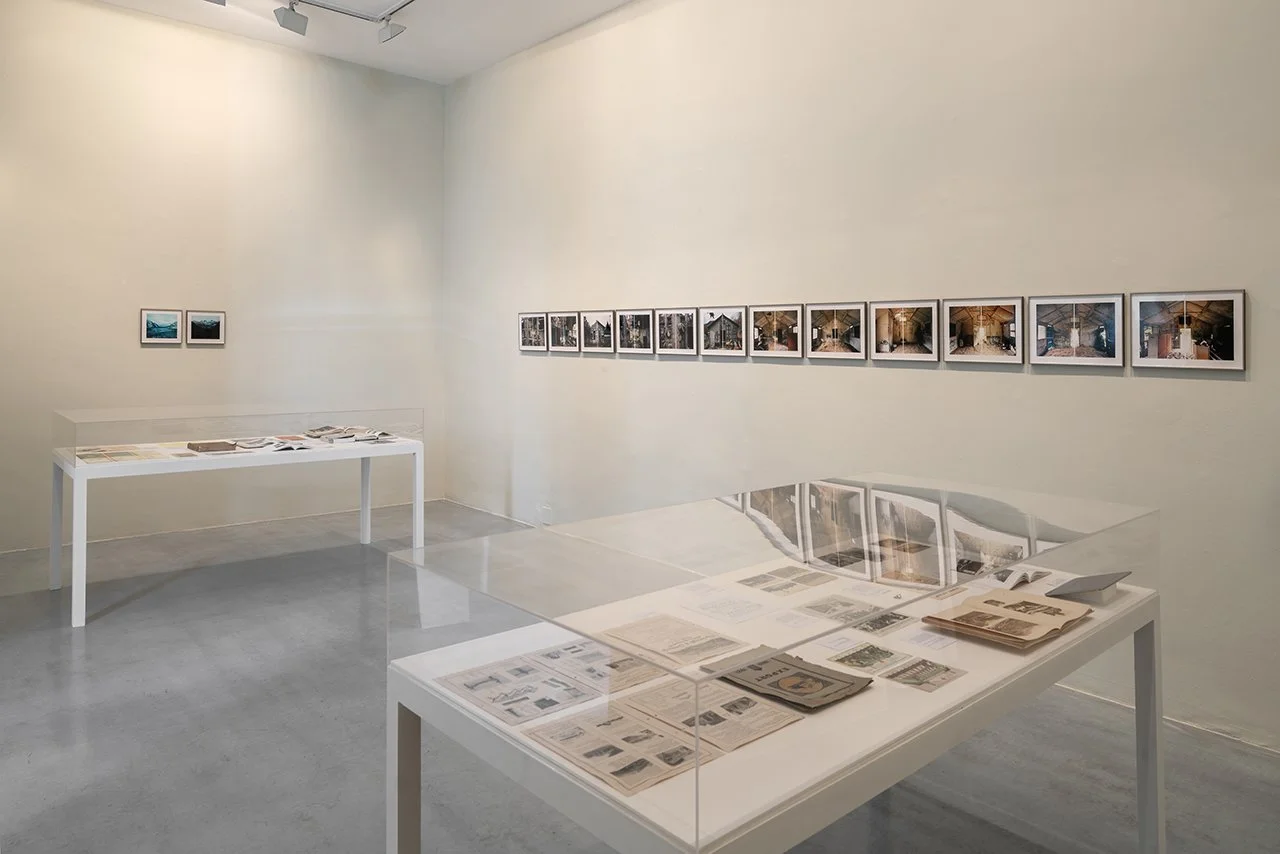
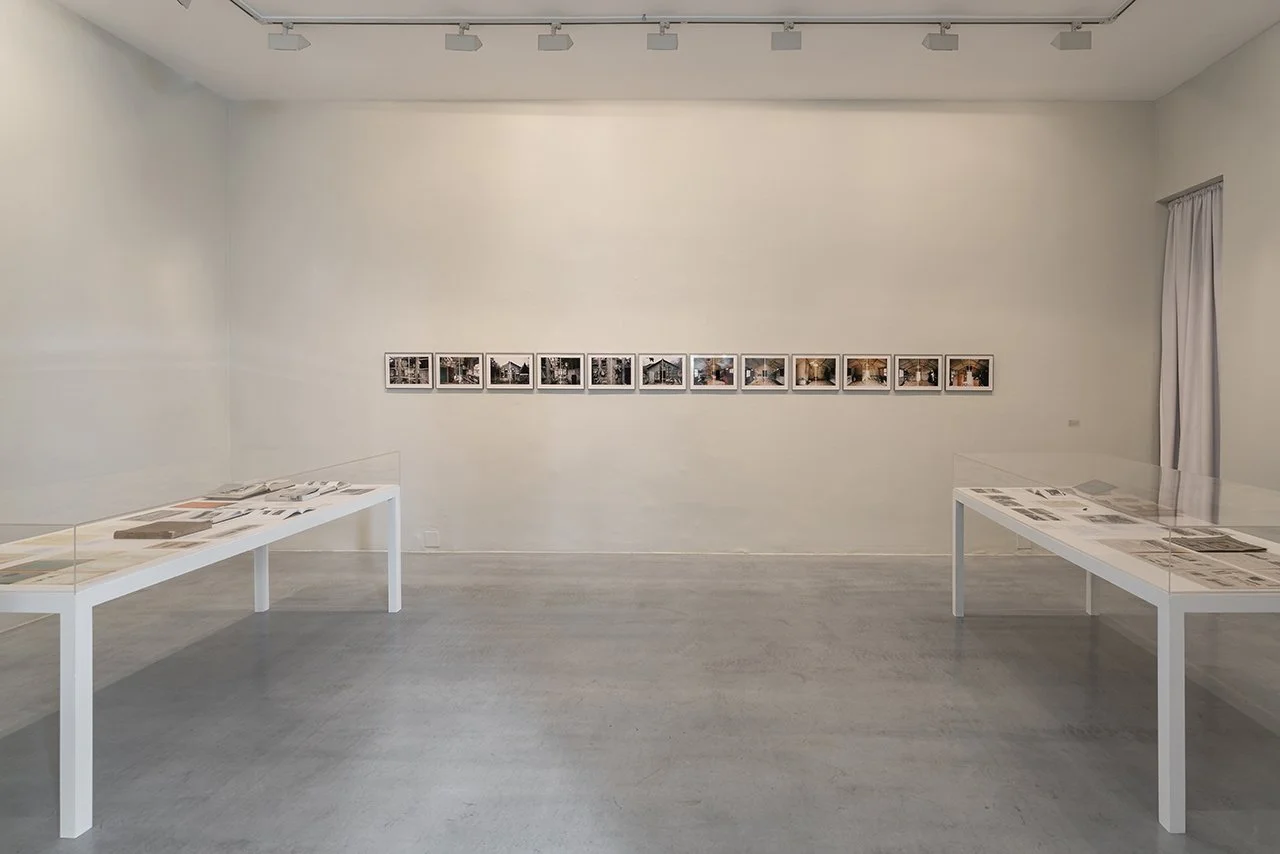
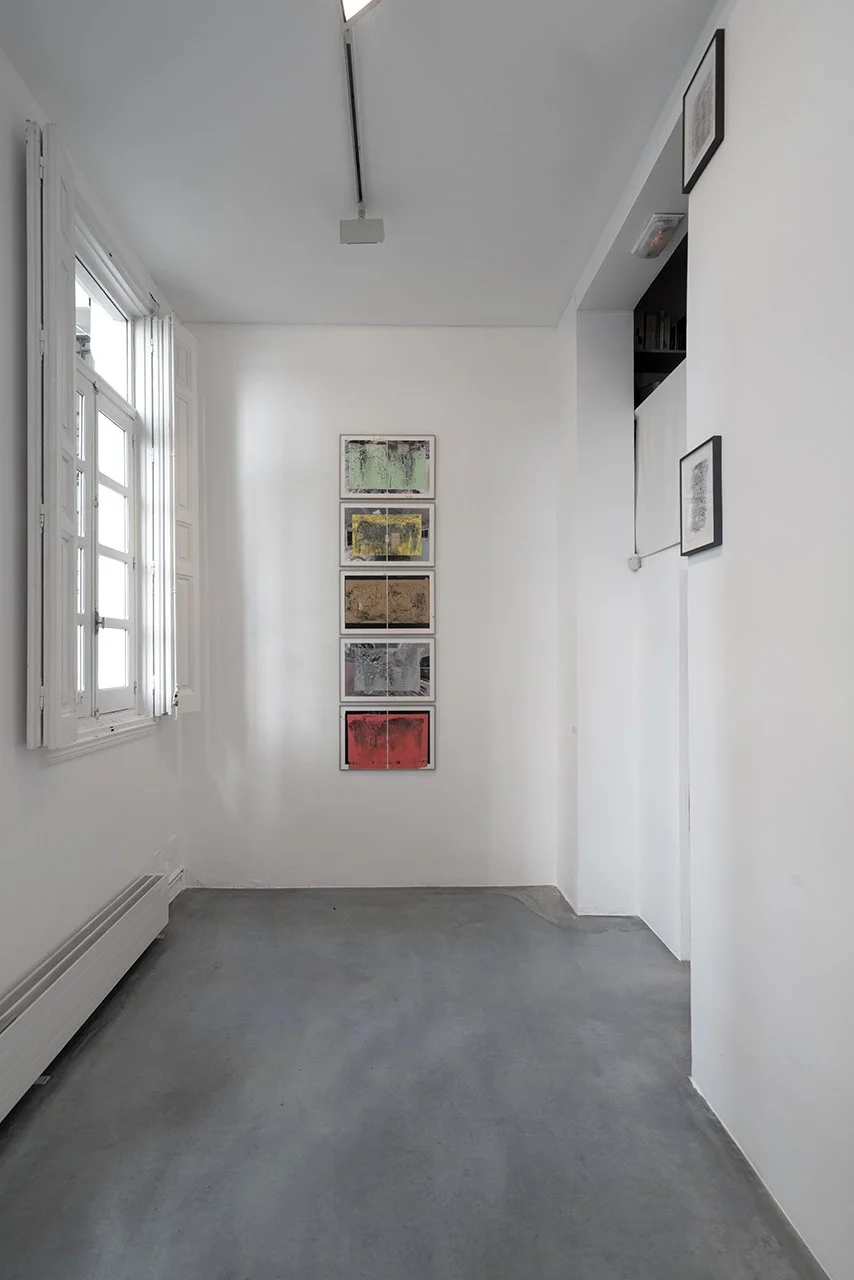
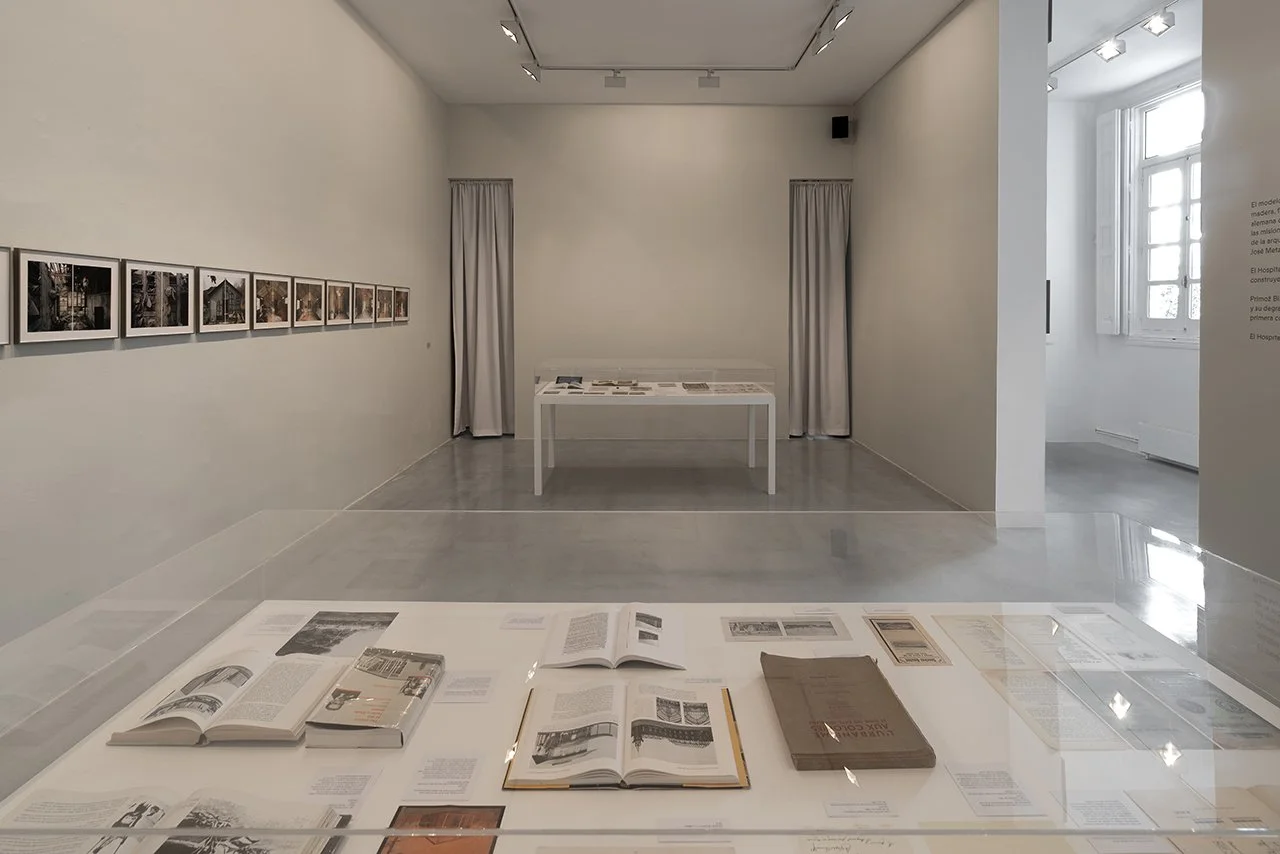
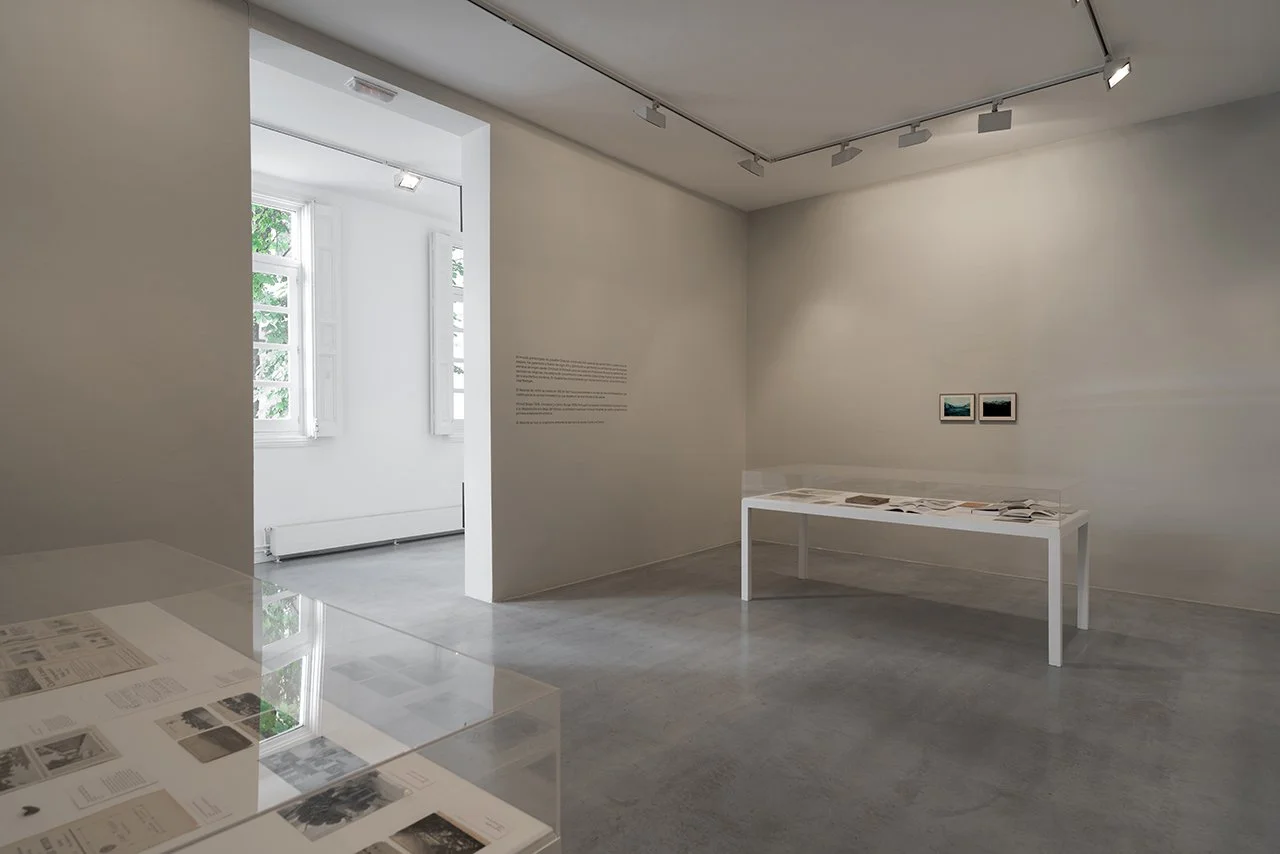
Installation views. Photos: courtesy Galería Elba Benítez.
Galería Elba Benítez +info
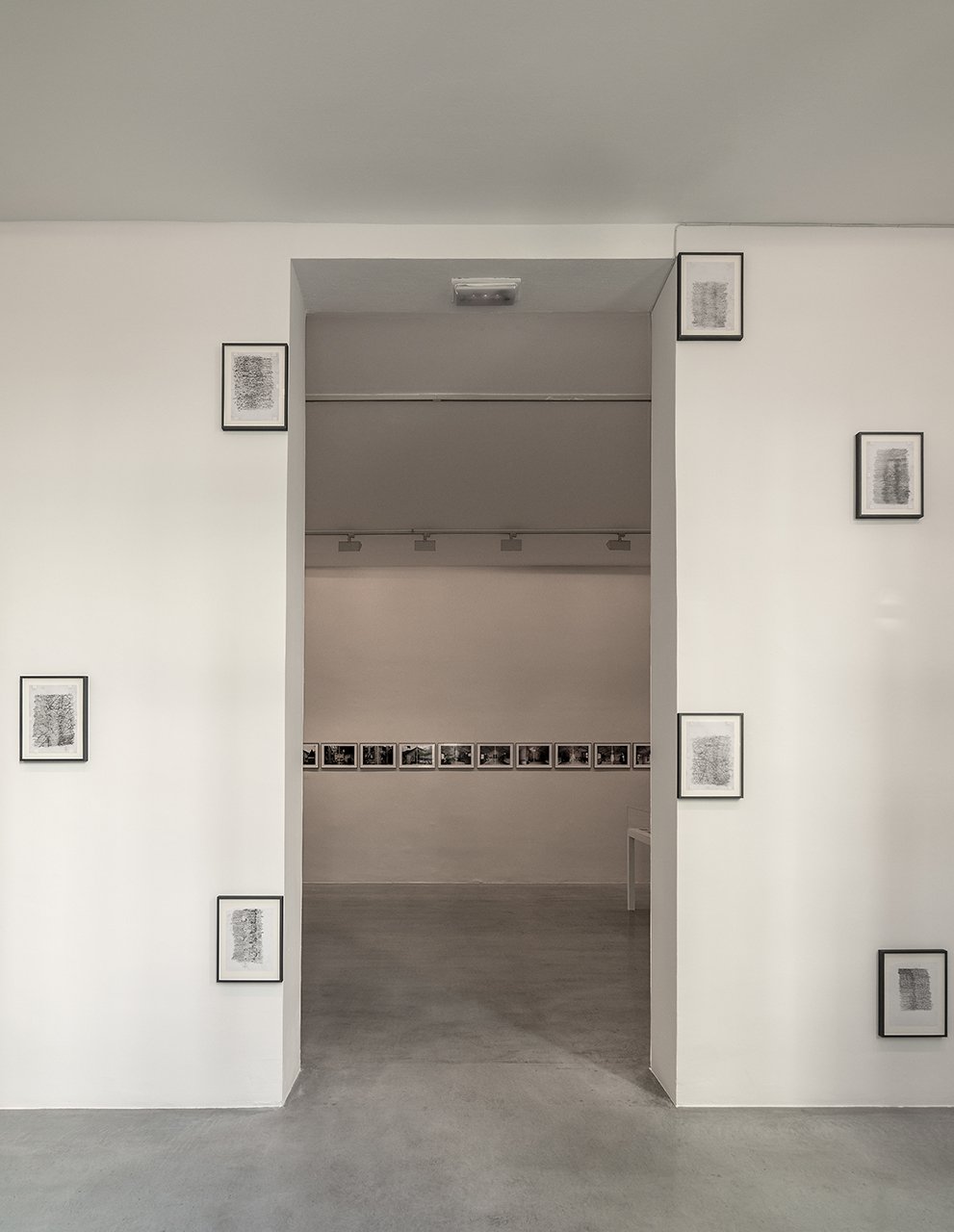
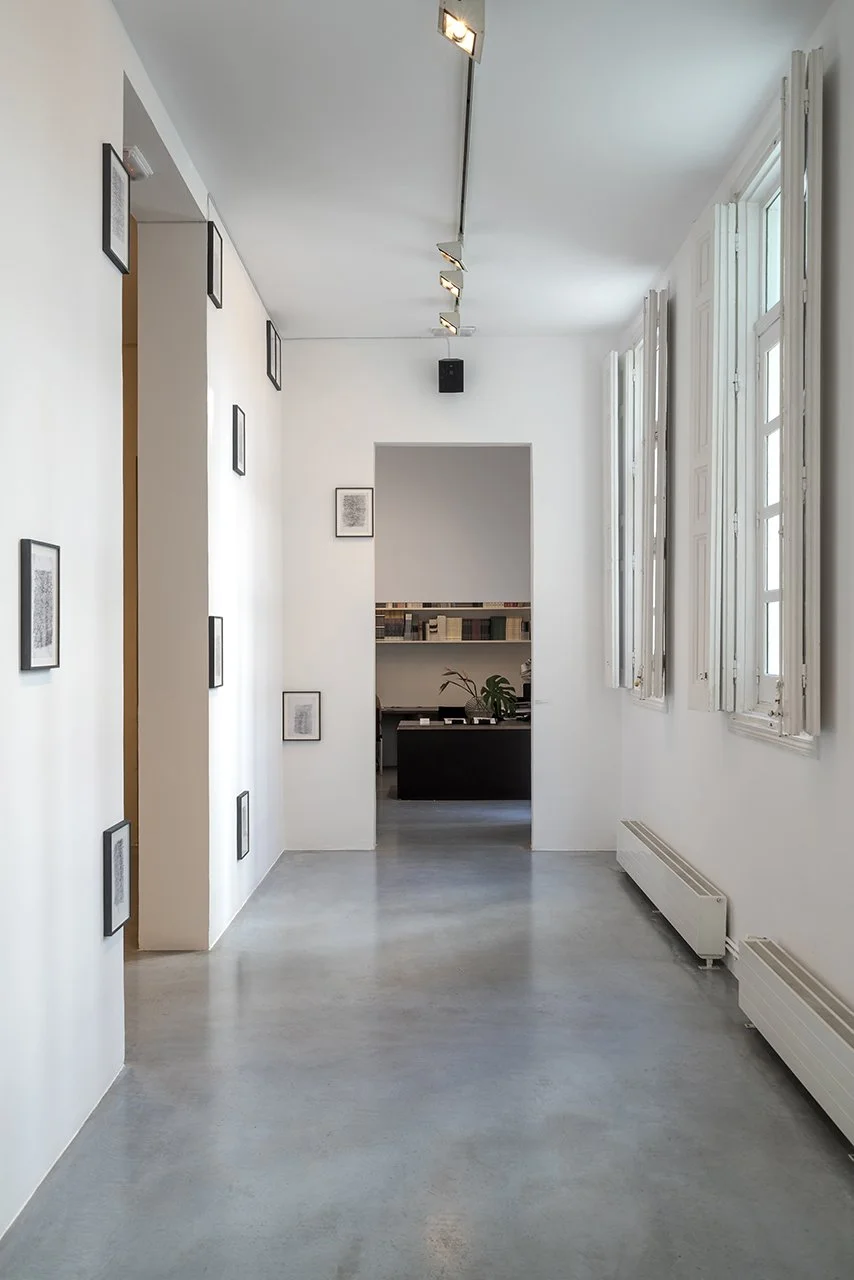
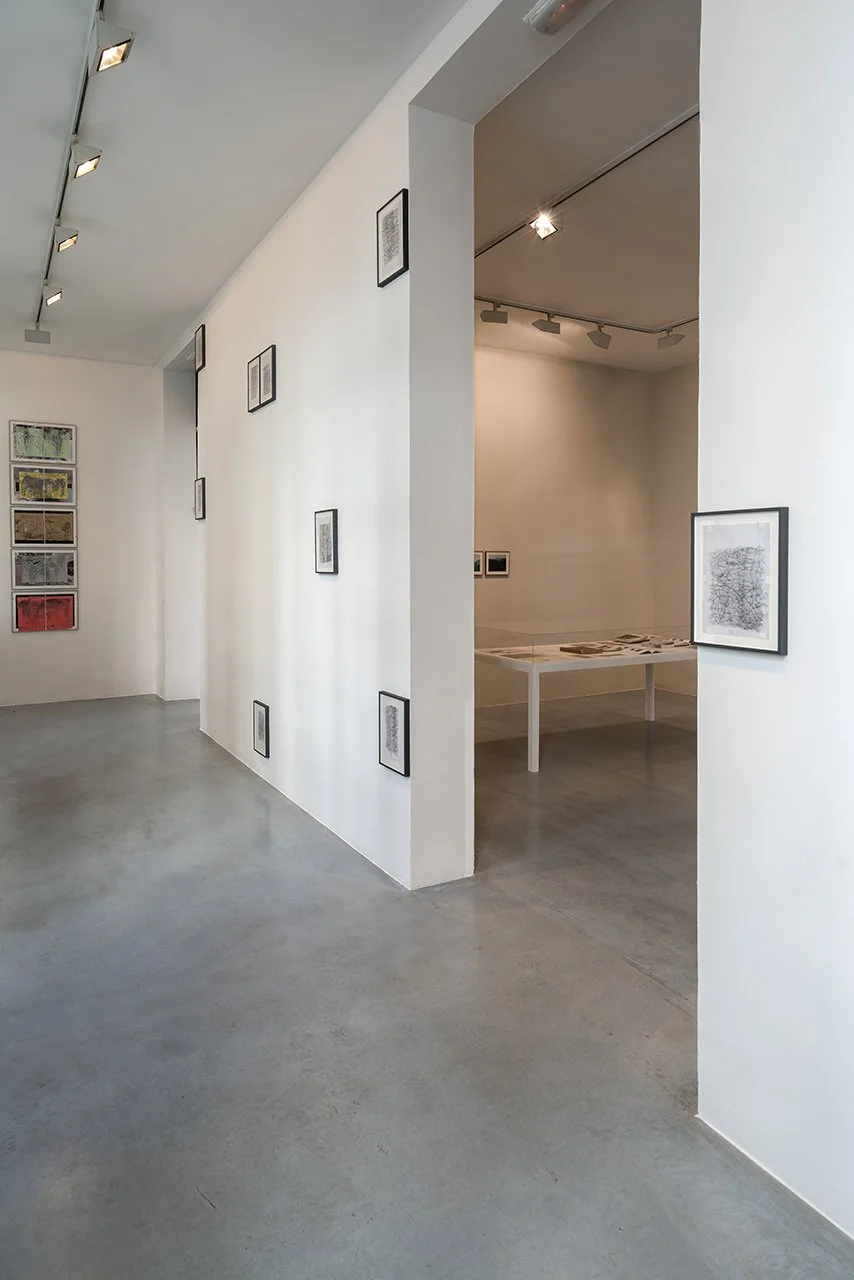
Carlos Bunga collaborated with Primož Bizjak to work on a project that combined various aspects of their practices. Drawn by their interest in an example of prefabricated architecture that has survided for more than a century in the middle of the Catalan Pyrenees, they show us a living organism in an advanced state of decay.
Ainhoa González, project curator, wrote:
“The exhibition is the final phase of a project that began in the spring of 2019, after numerous unsuccessful attempts at gaining access to the building, followed by plans as to how to proceed with the project even under the circumstances, and ultimately the thrilling news that permission had finally been granted to visit the site. The project is structured as a collaborative effort between the two artists, and draws on the desire of each artist to find in the work of the other a complement to his own personal vision. The collaborative effort is thus approached in a Dadaist spirit, placing the emphasis not on the final work in and of itself, but rather on the act of having created it and of having collaborated with someone else as a way of arriving at a new vision of the world. To collaborate is to appropriate something in orderto make it grow together.
Today, to consider this type of architecture — prefabricated, modular, low-cost, emergency-based and ephemeral yet still existing — is anachronistic, a voyage to the past in real time; and to document it, the desire to retain it outside of the passage of time, even as it is disappearing. Photographing analogically, Bizjak captures spaces of time; he dissects the architectural ruin with his photographs, showing us the skeleton, the excellent construction and the modular structure that has fallen into disuse and has now entered into a dialog with the natural environment that has begun to penetrate it. His practice is time- consuming; when framing each photograph, he has to be certain that it contains everything he aims for. Reviewing shots is not an option, and there is scarcely time to repeat them. Meanwhile, Bunga records with his cellphone. He pores over surfaces, utterly unconcerned about the quality of the image and establishing analogies between the Hospital and his own work: the layers of paint that in all likelihood correspond to different uses in the past, the architecture that is like a third skin (body — clothing — dwelling), the absence of patients. This micro-vision focuses on the epidermis, on those bodies that required urgent care, the more than 4,000 workers who migrated from the city to the country, from the center to the periphery, completely altering the natural landscape as they built Spain’s second-largest hydro-electric power plant in order to supply the city of Barcelona with electricity.
Today the Hospital is an unwell organism, no more than skin and bones. It was originally a Doecker prefabricated model, consisting of walls of cardboard and felt and a wood structure. This model was patented at the end of the 19th century and distributed commercially around almost the entire the world by the German company (Danish in origin) of Christoph & Unmack, and designed for use in war, pandemics, religious missions, concentration camps and colonial settlements. The latter served as laboratories for modern architecture, as can be seen in the fact that the architect Konrad Waschmann, after having been employed by the German firm, emigrated to New York where he worked with Walter Gropius on the Packaged House/General Panel System (1940).
The post-production phase of Hospital de cartón coincided with the arrival of the current pandemic, forcing both artists to work from their homes. As the Hospital de carton resisted collapse, new refabricated field hospitals were being installed in Wuhan, China in fewer than ten days each. Even though they are separated by an entire century and thousands of kilometers, both constructions share the same characteristics: quick installation, excellent ventilation and a high degree of disinfection, all with the same goal: to save lives.”
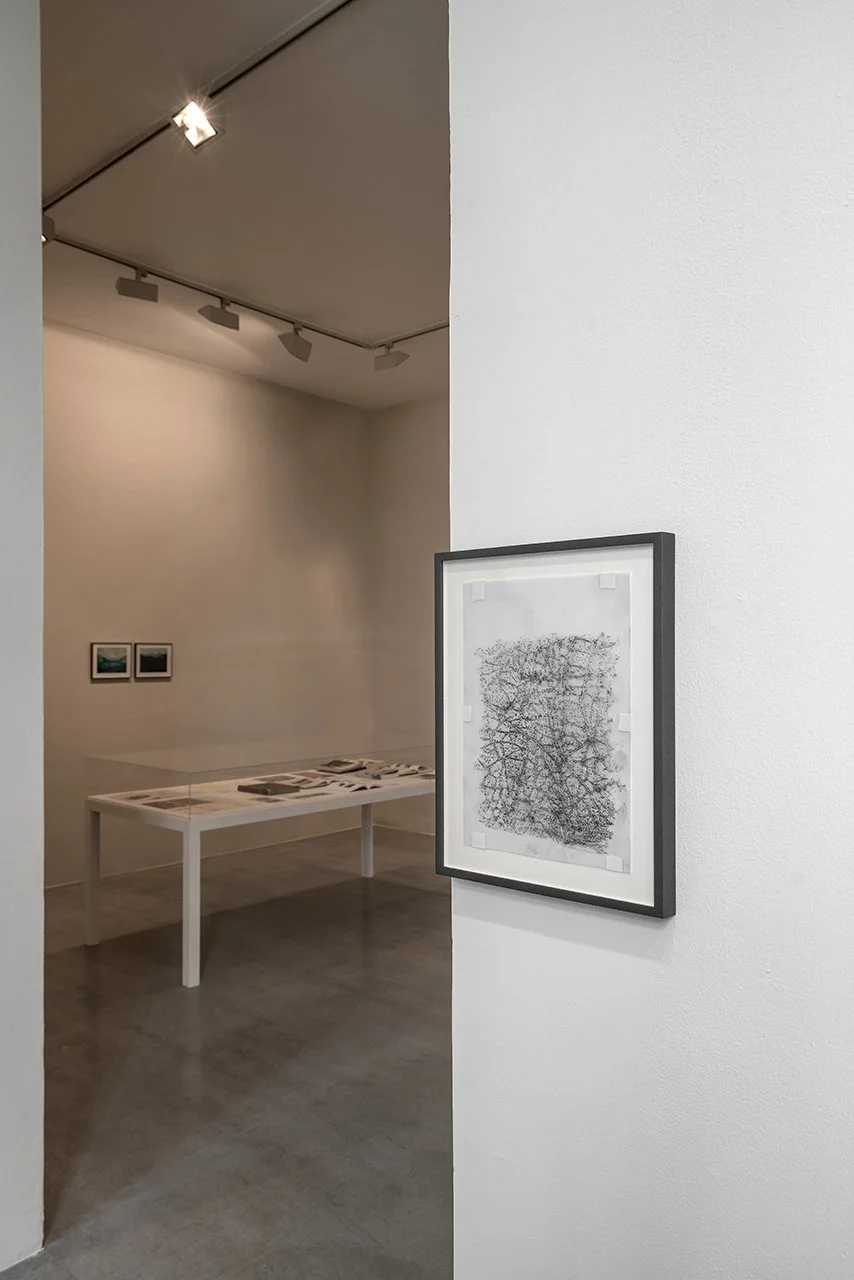
Curator: Ainhoa Gonzales
2020. Madrid, Spain.
