Mudar a escola, para mudar o mundo | Ainhoa González and Carlos Bunga
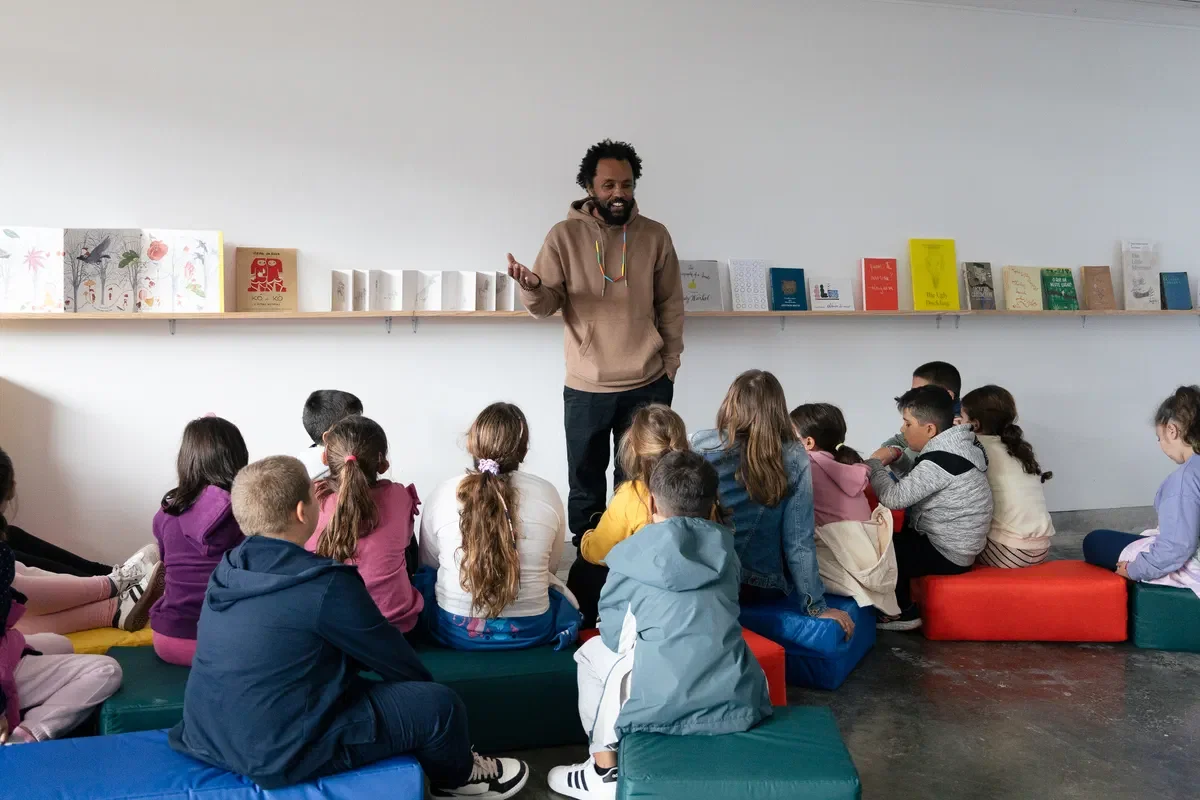
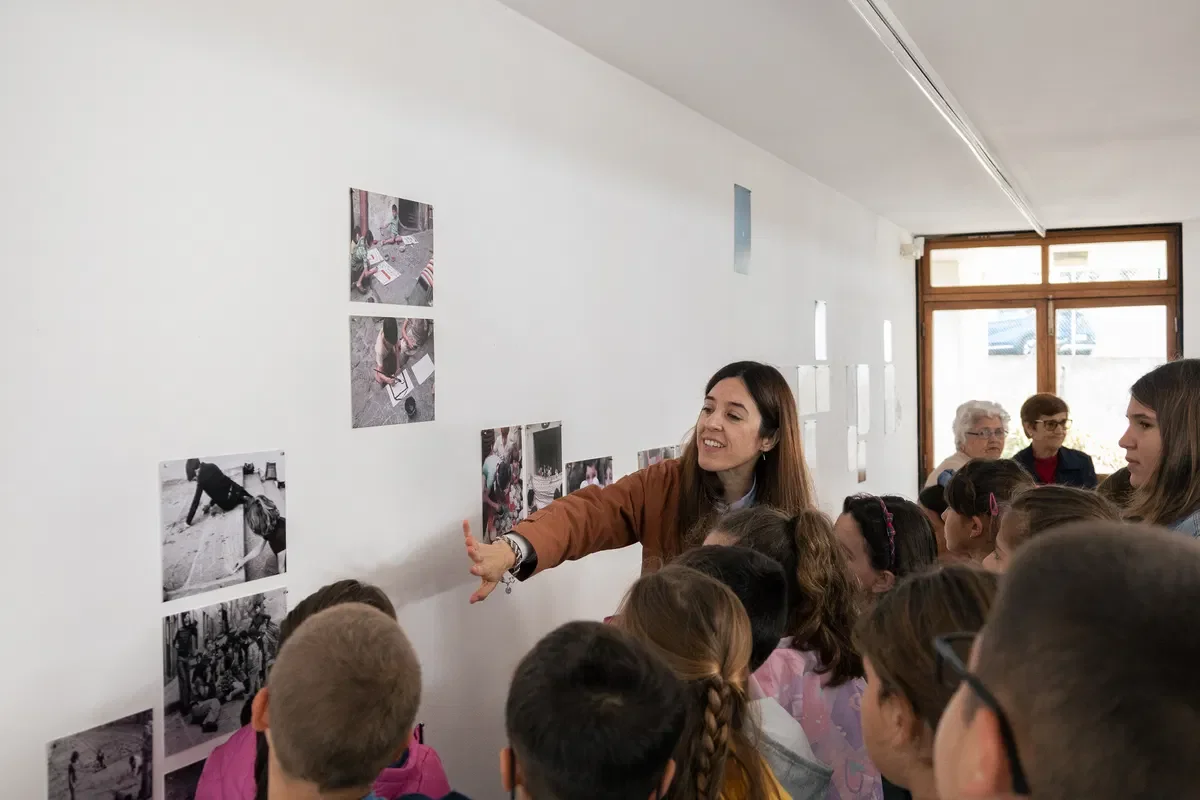
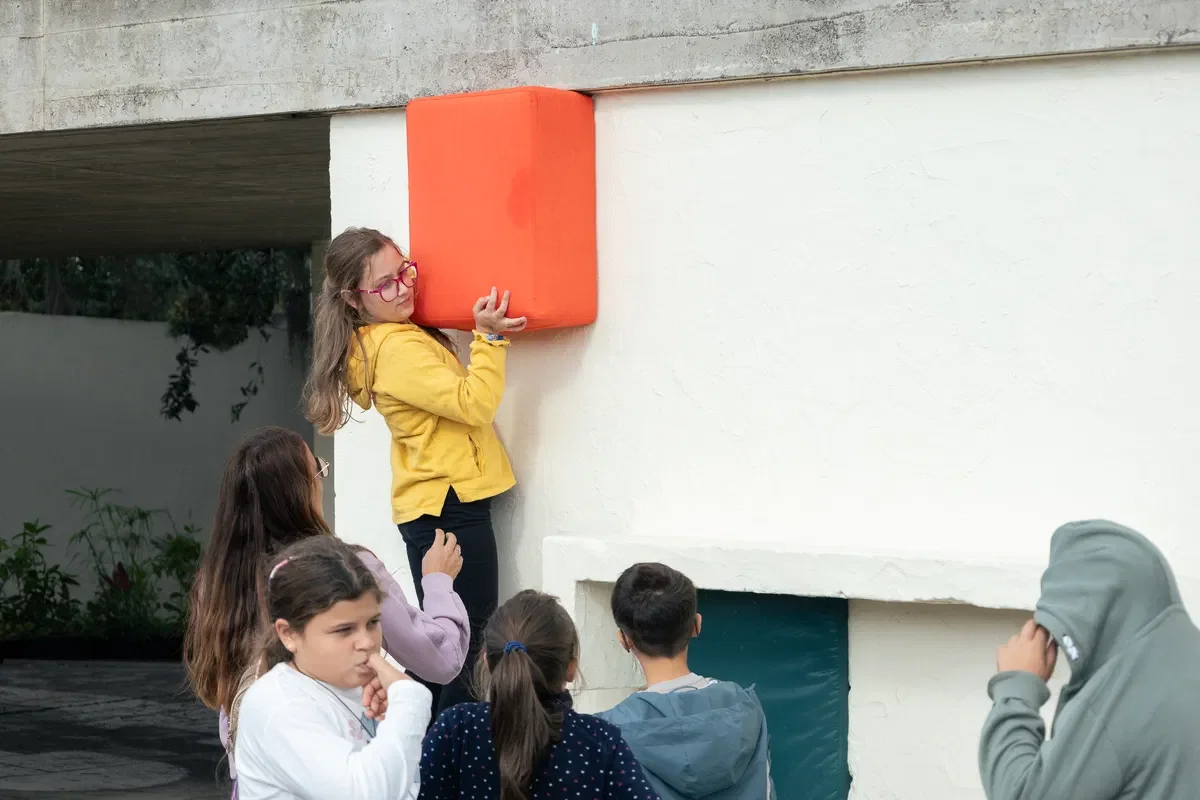
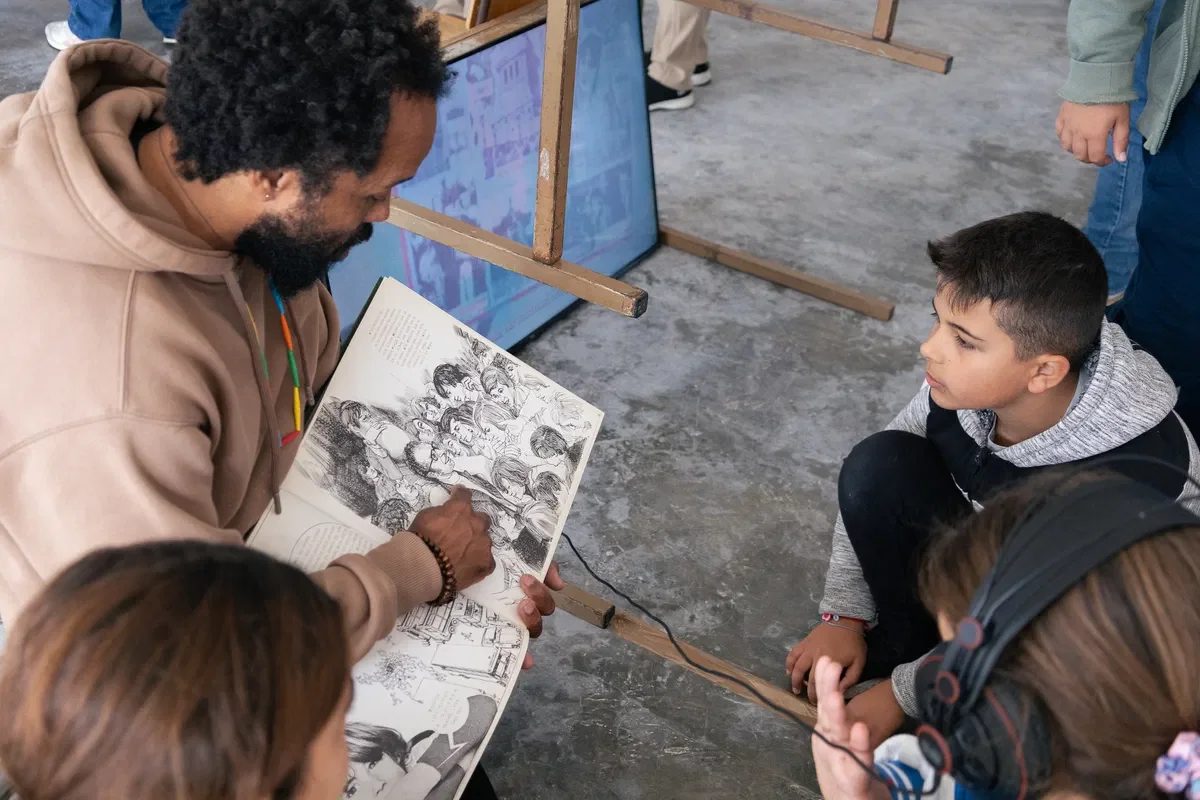
Views of the exhibition. Photos: courtesy Nara Roesler.
Porta 33, Porto Santo +info
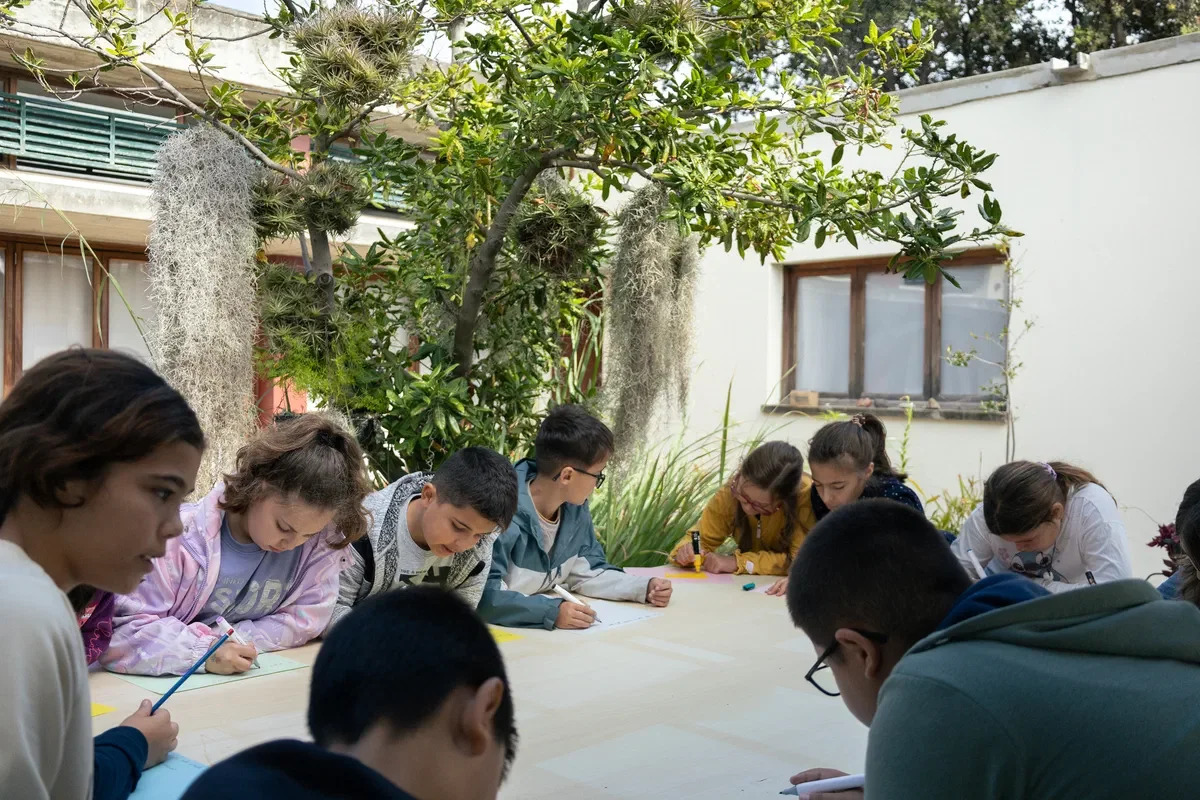
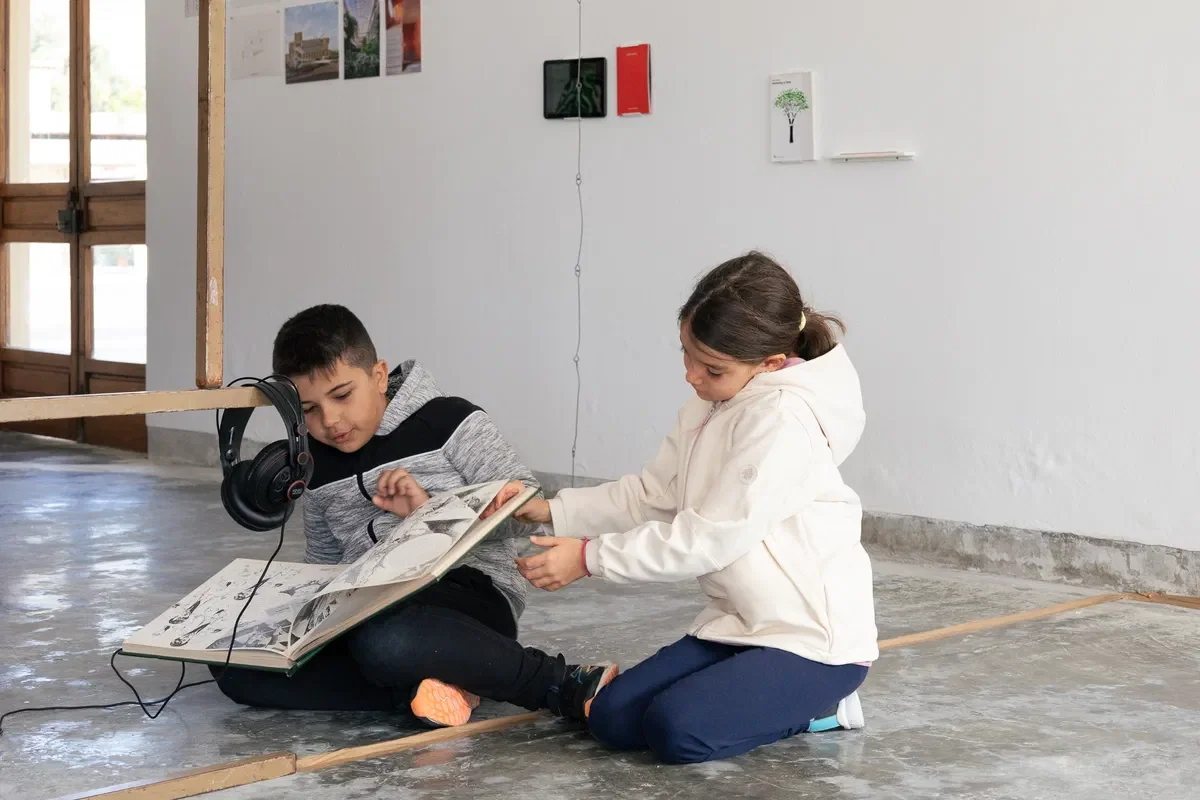
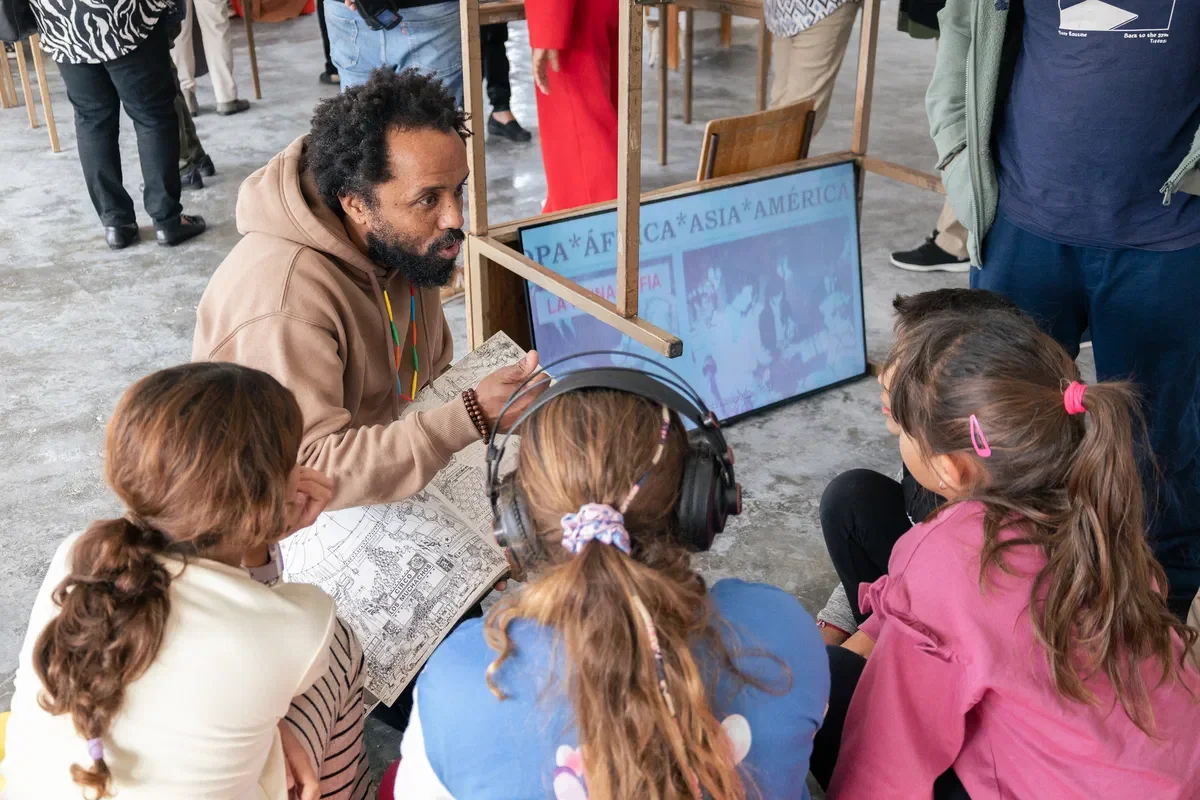
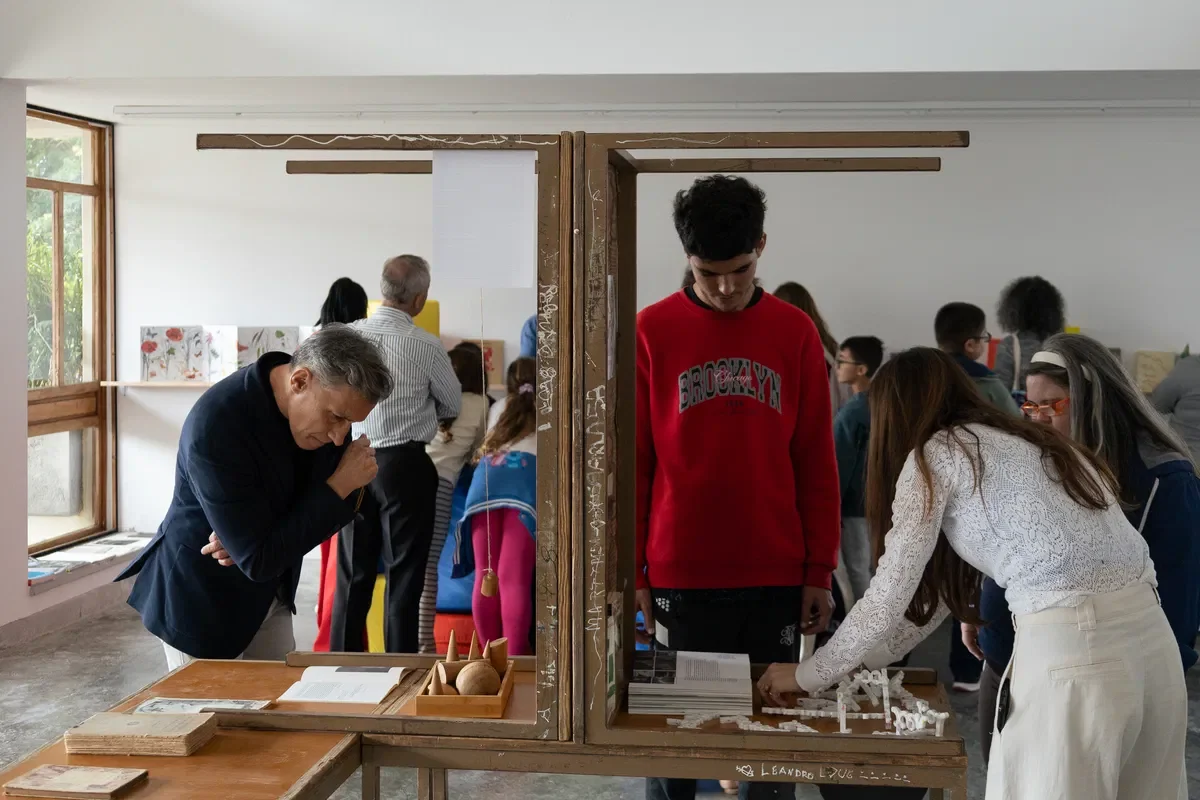
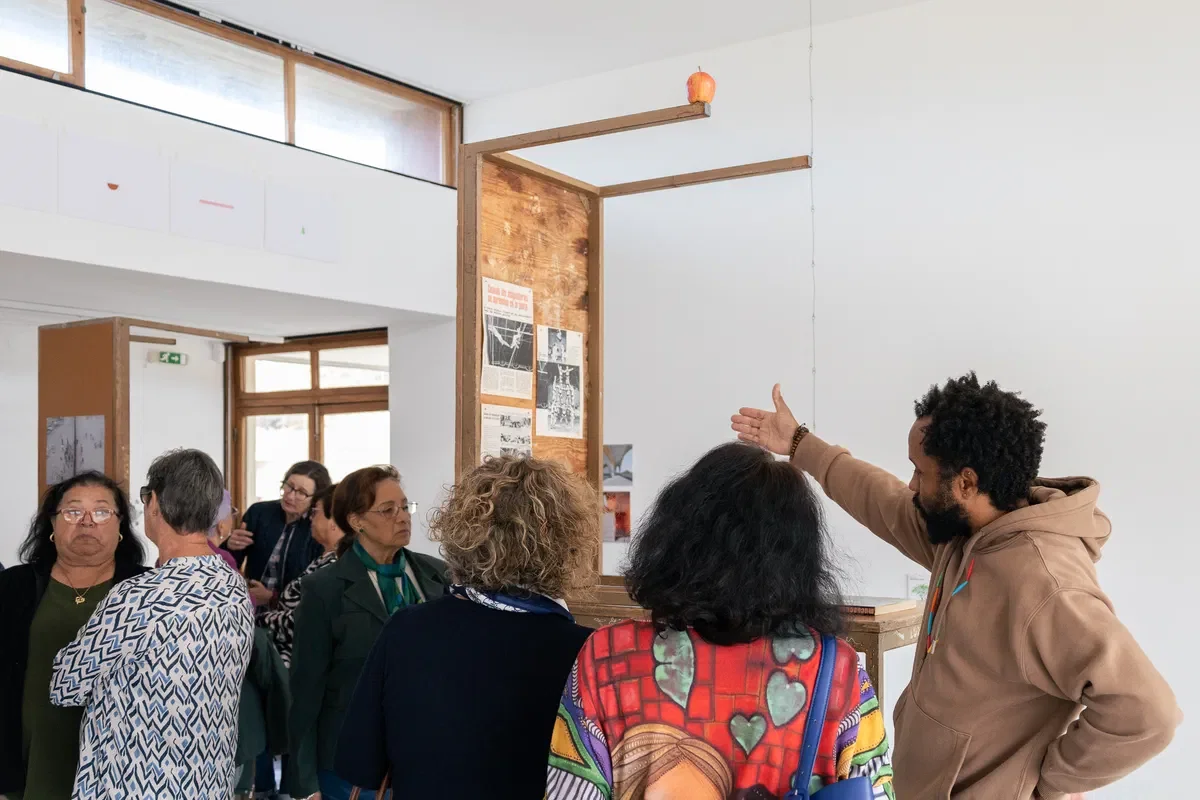
“The project is conceived as a laboratory that develops around the concepts of experimentation, collaboration, creation, play and research, carried out from the studio of Carlos Bunga and Ainhoa González Graupera, in collaboration with Porta33 and with the contributions of various specialists from different disciplinary fields, in order to weave a network of artistic-pedagogical practices.
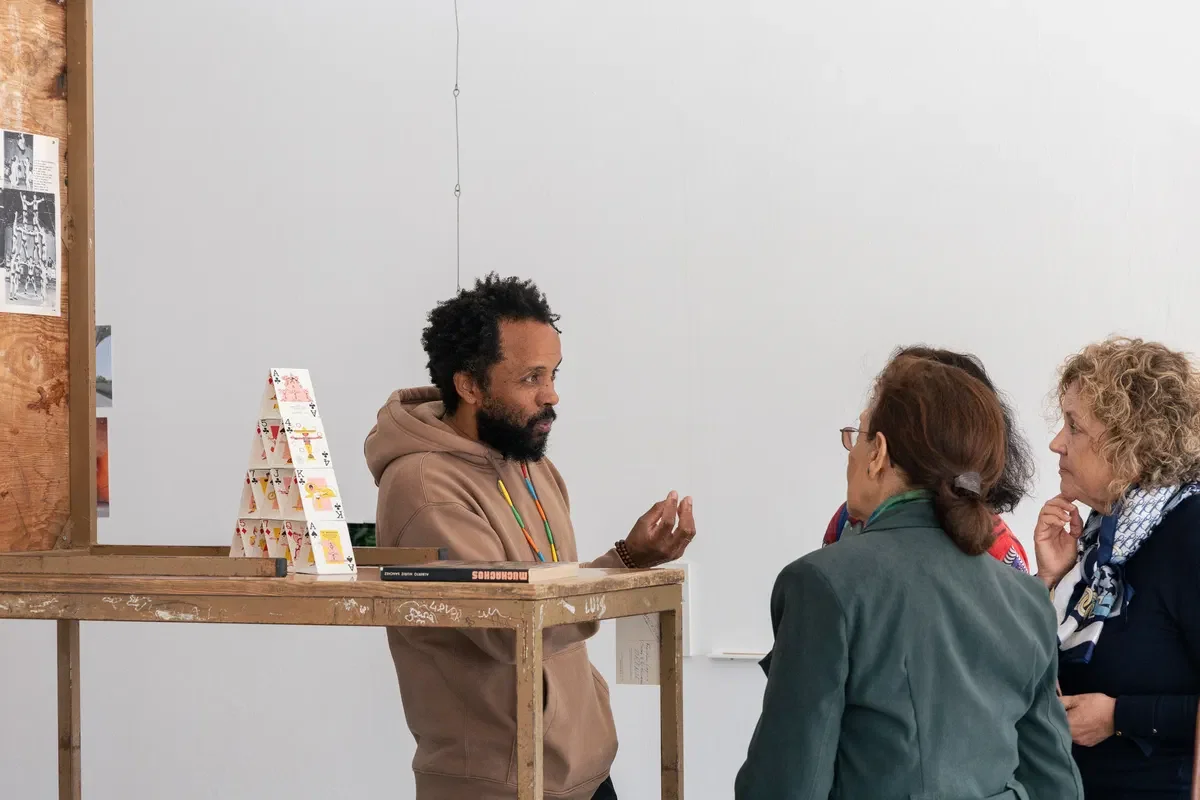
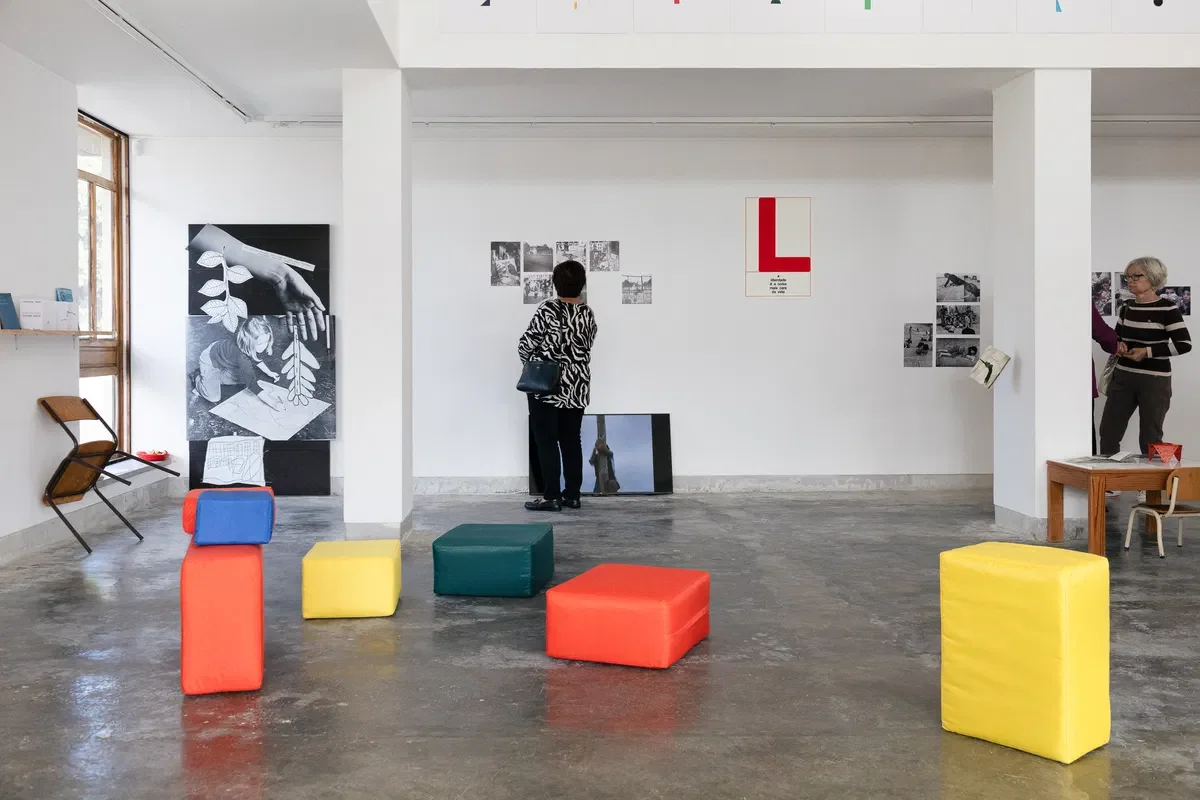
The exhibition maps, based on historical documentation and works by various artists, the intersections between creation and pedagogy that have occurred since the late 19th century, showing in a polyphonic way alternative pedagogical practices that go beyond official policies and that move between architecture, education, mental health and many other areas of knowledge.
The works show, on the one hand, individual perspectives on pedagogy (Friedrich Froebel, Alice Pestana, Rosa Sensat, Francesc Tosquelles); models of radical pedagogies embedded in cultural institutions and art centers (Túlia Saldanha at the Círculo de Artes Plásticas de Coimbra or Porta33, in Madeira); highly pedagogical architectural environments (Andrés Jaque/Office for Political Innovation, Aldo Van Eyck, Isamu Noguchi, TAKK), pedagogies about territory in public space, where urban pedagogy implies collective action (Elvira Leite in the Pena Ventosa neighborhood, SAAL project), as well as the contribution of institutions that, by taking risks, have transformed educational contexts (such as the Gulbenkian Foundation or El Circo de los Muchachos de Benposta). These projects show historical, ideological, and aesthetic references that invite us to imagine the school of the future, to awaken and become aware that another world is possible.
The school cannot emancipate itself from the system that creates and sustains it, but it can become an emancipatory space where people learn to think critically, to question injustices, and to build alternatives for living together.
We leave open the complexity and gaps in this approach to pedagogies, which conceive of education as a porous and mutable territory, so that the viewer can also explore its distances, pay attention to its silences, and glimpse the blind spots that the investigation reveals.”
– Ainhoa González Graupera
GENERAL VIEWS
ARTWORKS
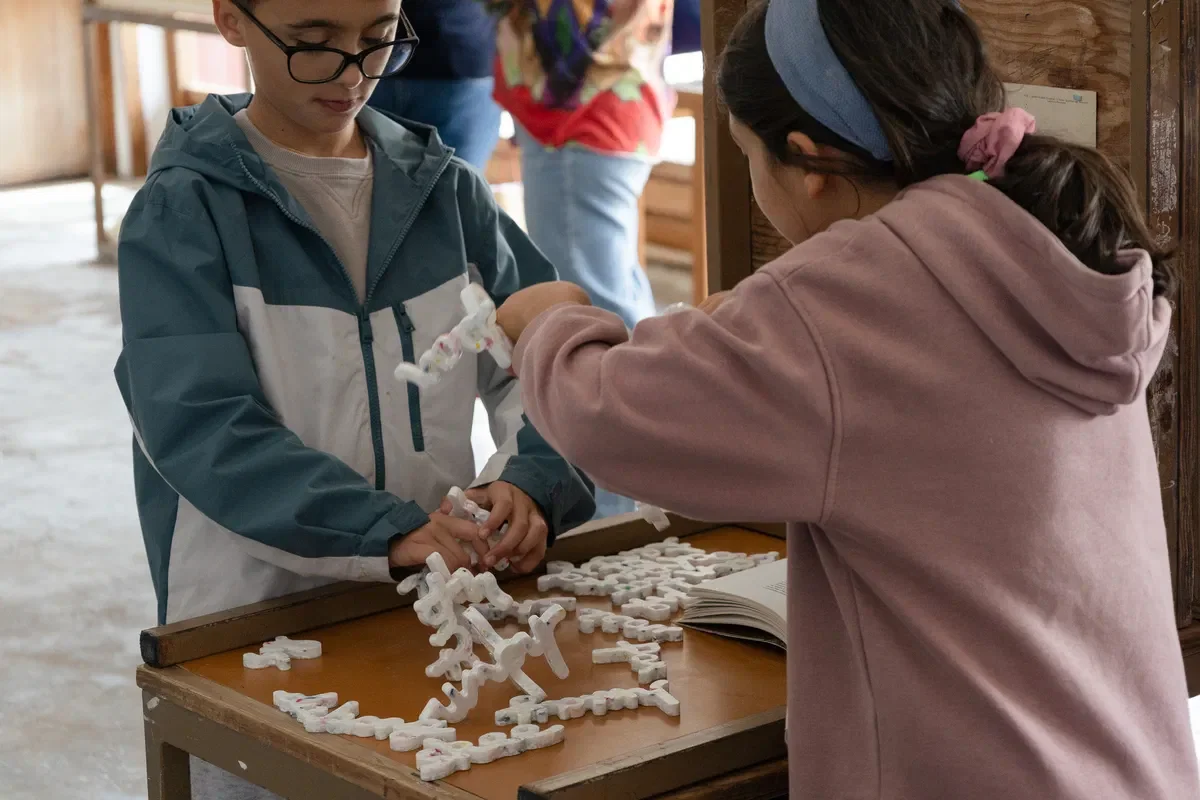
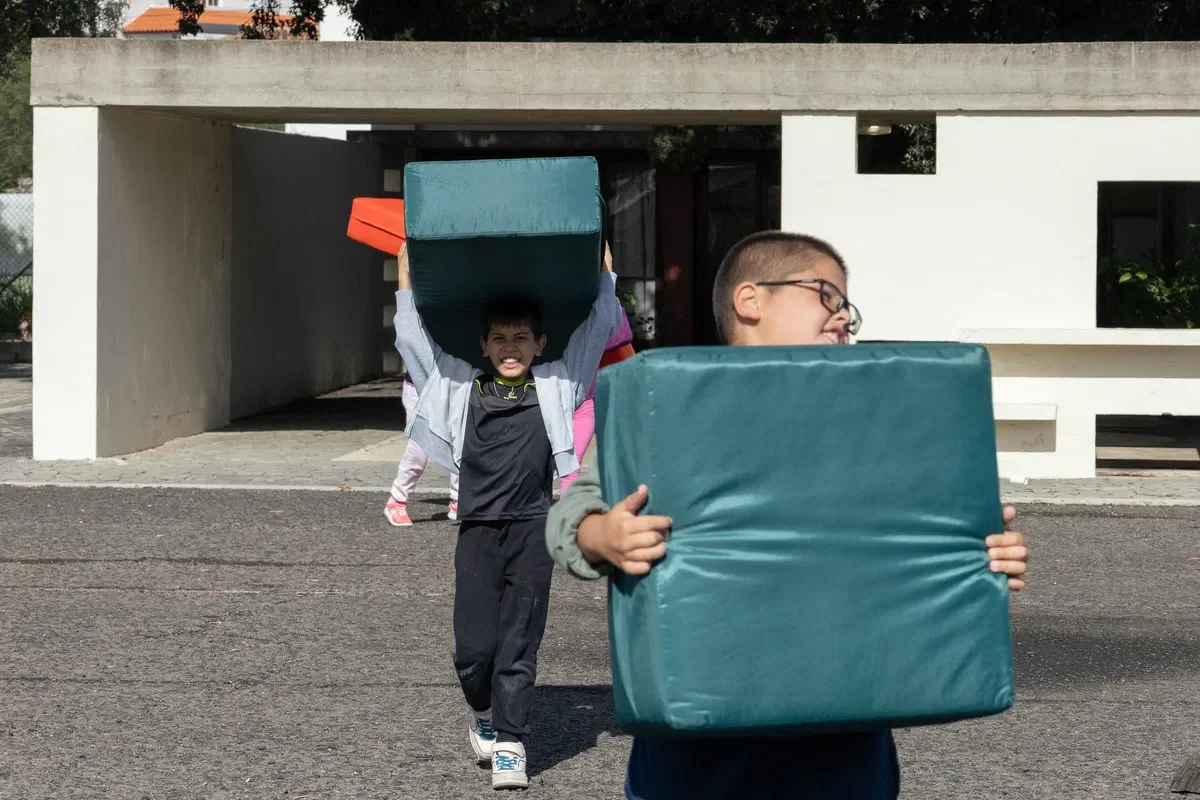
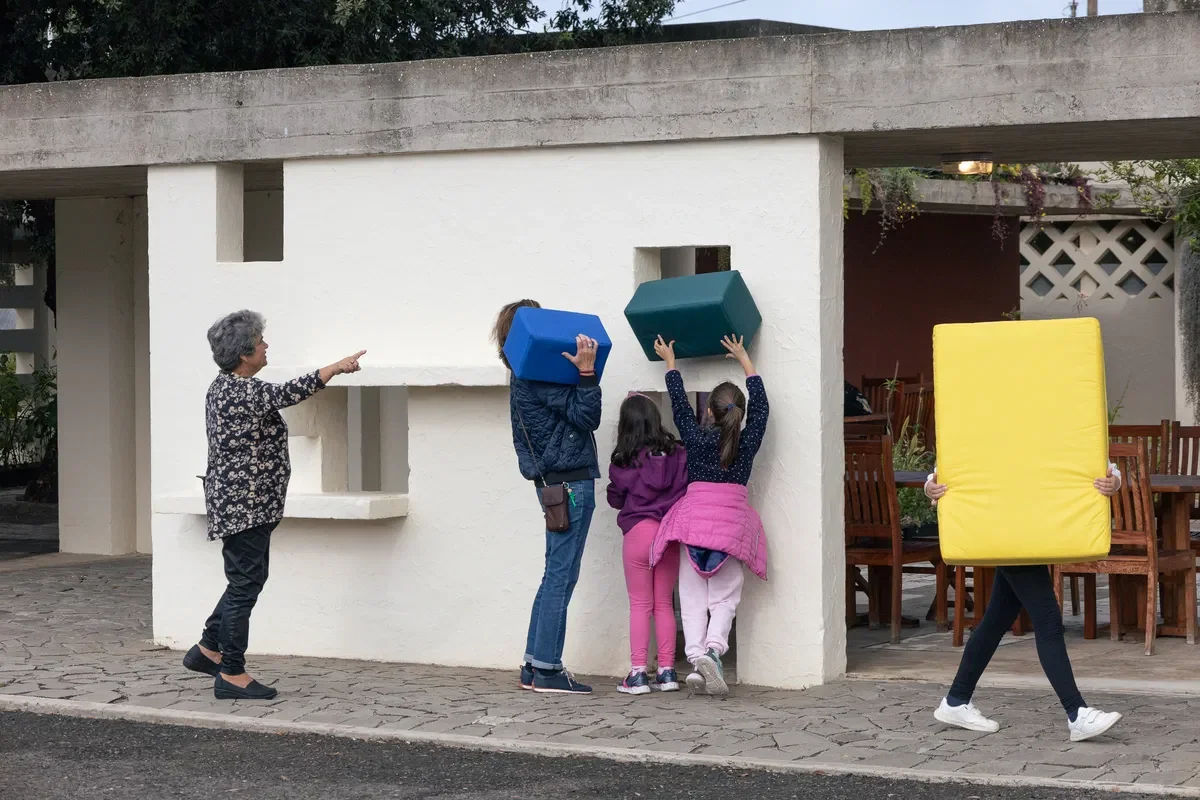
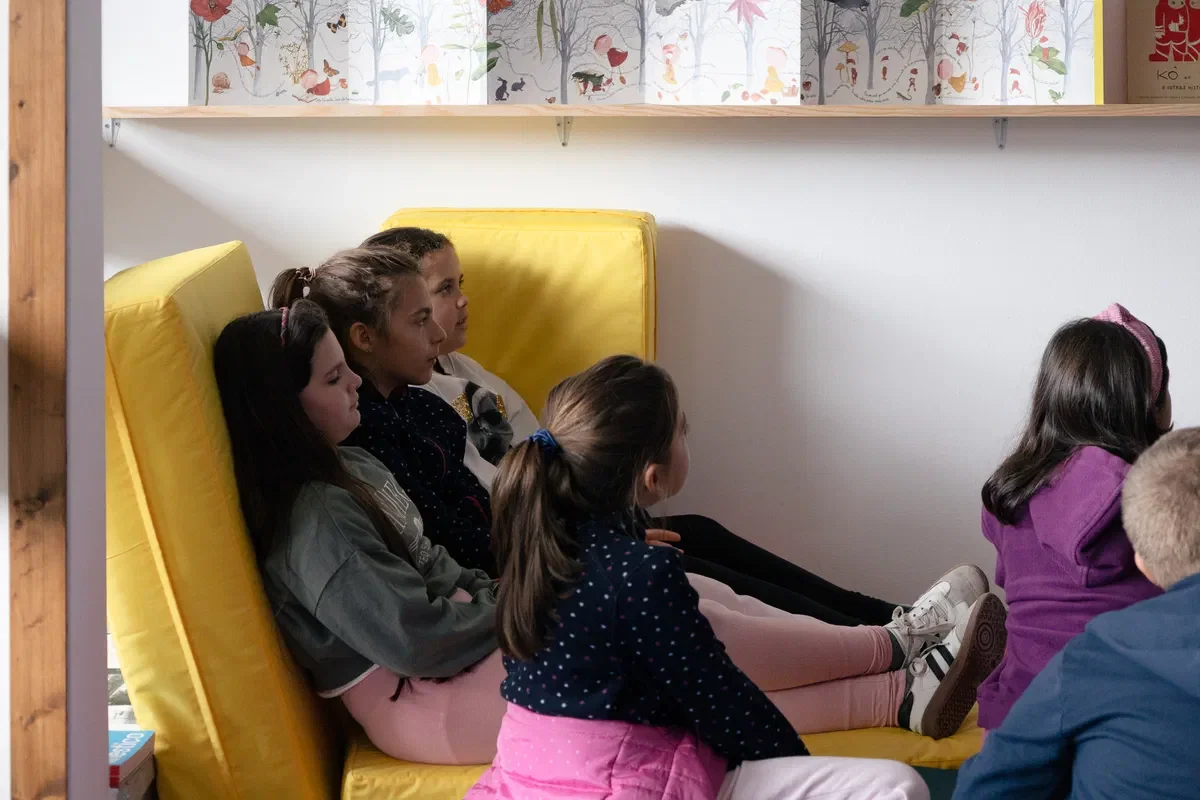
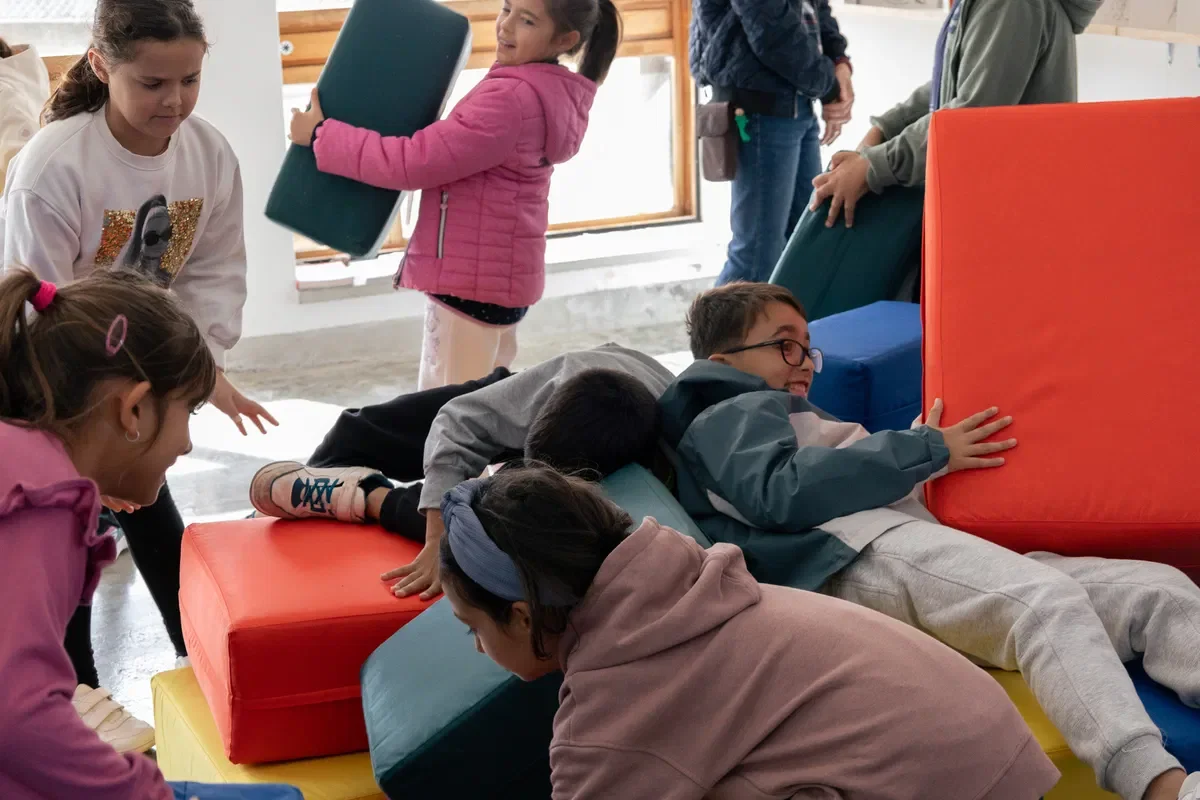
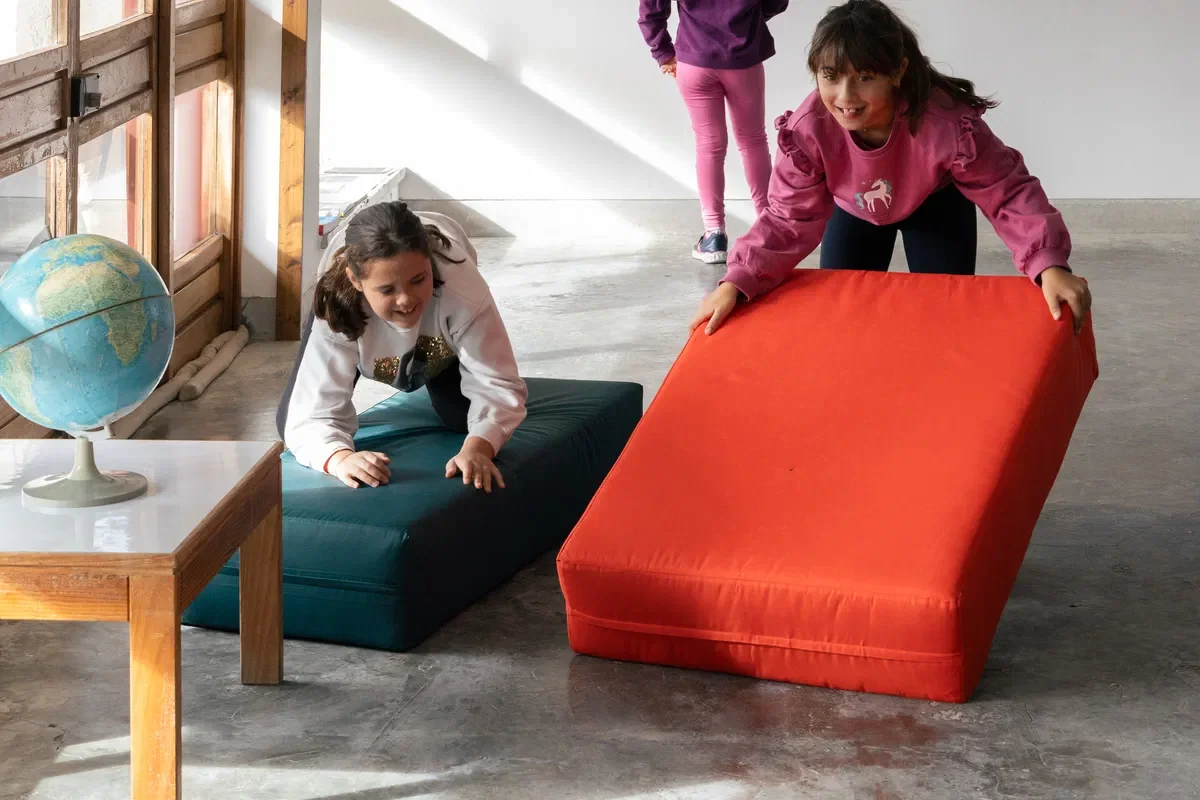
Carlos Bunga created a site-specific installation that responds to the location and architecture of Chorão Ramalho. He tries to bridge the boundaries between brincadeira and work, observation and experimentation, architecture and painting, time and space, and generate a change of knowledge through this minimalist gesture, which consists of occupying the empty space on the walls, not only physically, but also with imagination, creating modules for as rectangular doorways, square janelas that can be used as tiles to complete the wall like an abstract painting, but also as benches where you can tell stories, pieces of furniture to start the symbolic game, two smaller ones and many other possibilities when the blocks are free of the wall and fully functional. This work serves as a starting point; Bunga raises the pieces of play to be activated, training not only the creative skills, but also the emotional, physical, social and cognitive skills: noises, smells, smiles, sounds, movements, encounters and misunderstandings will give rise to a chain of new situations of change of intergenerational knowledge.
Curator: Ainhoa González Graupera
2025. Porto Santo, Portugal.
