Fragments for a cartography of return
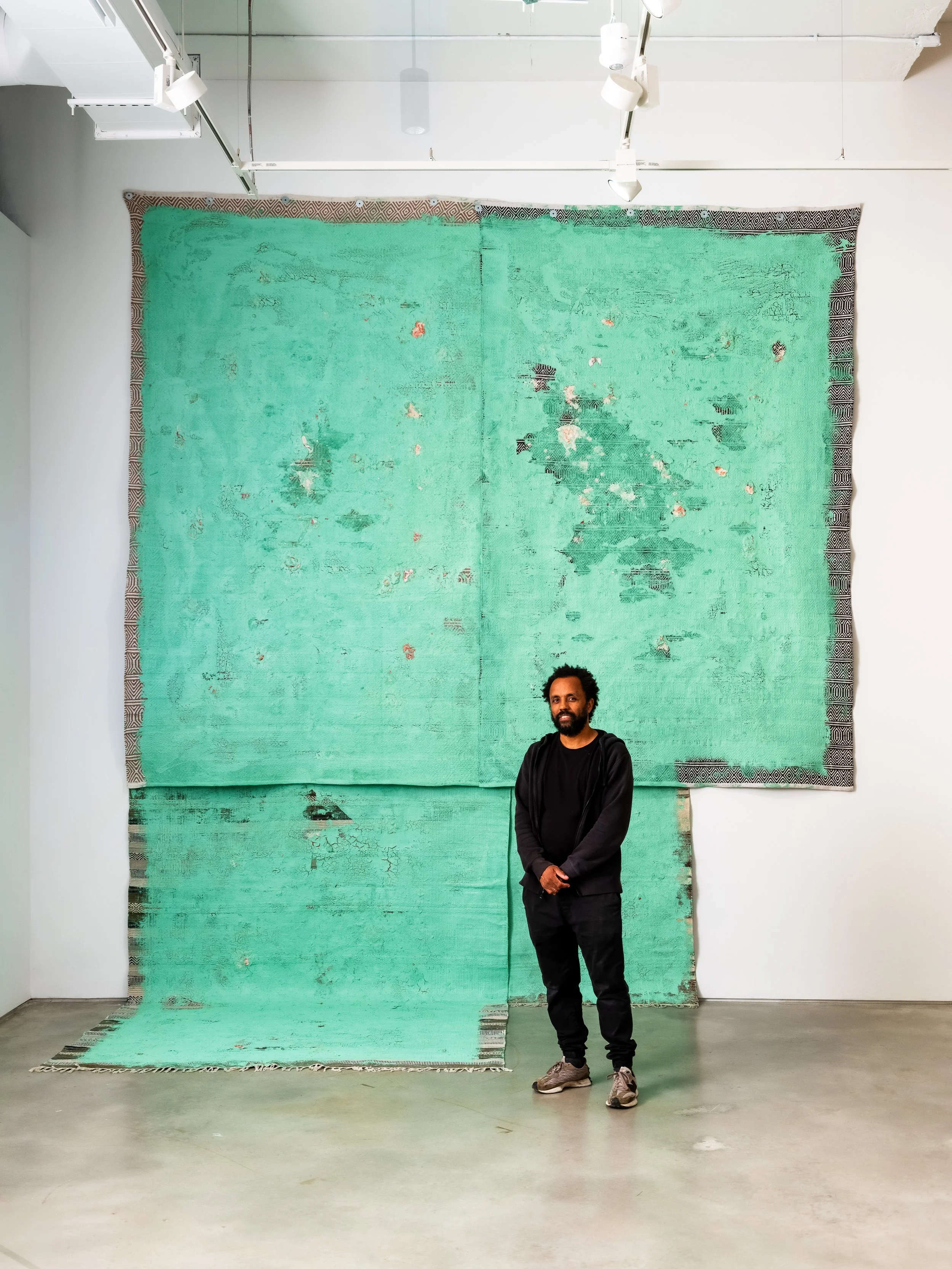
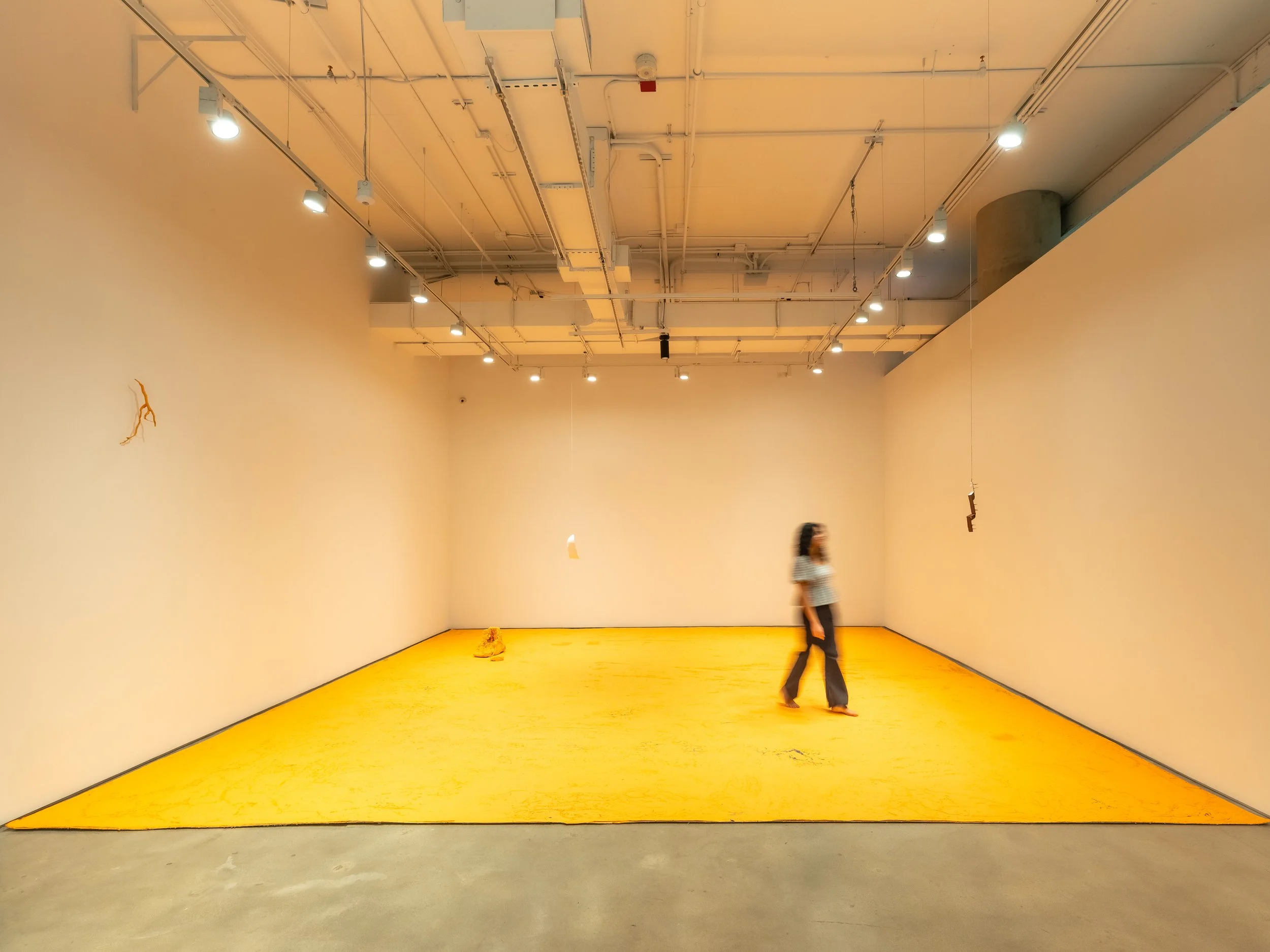
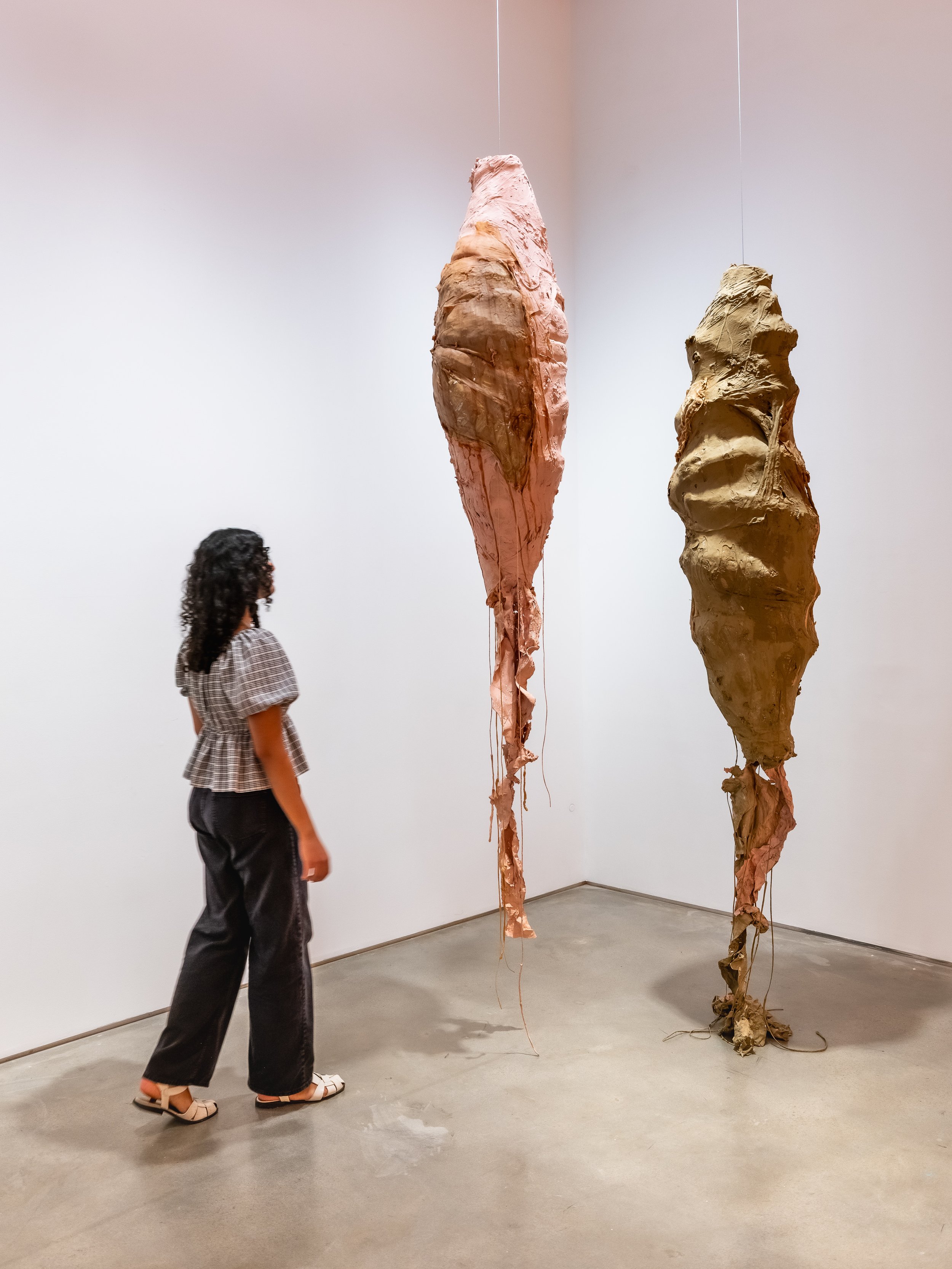
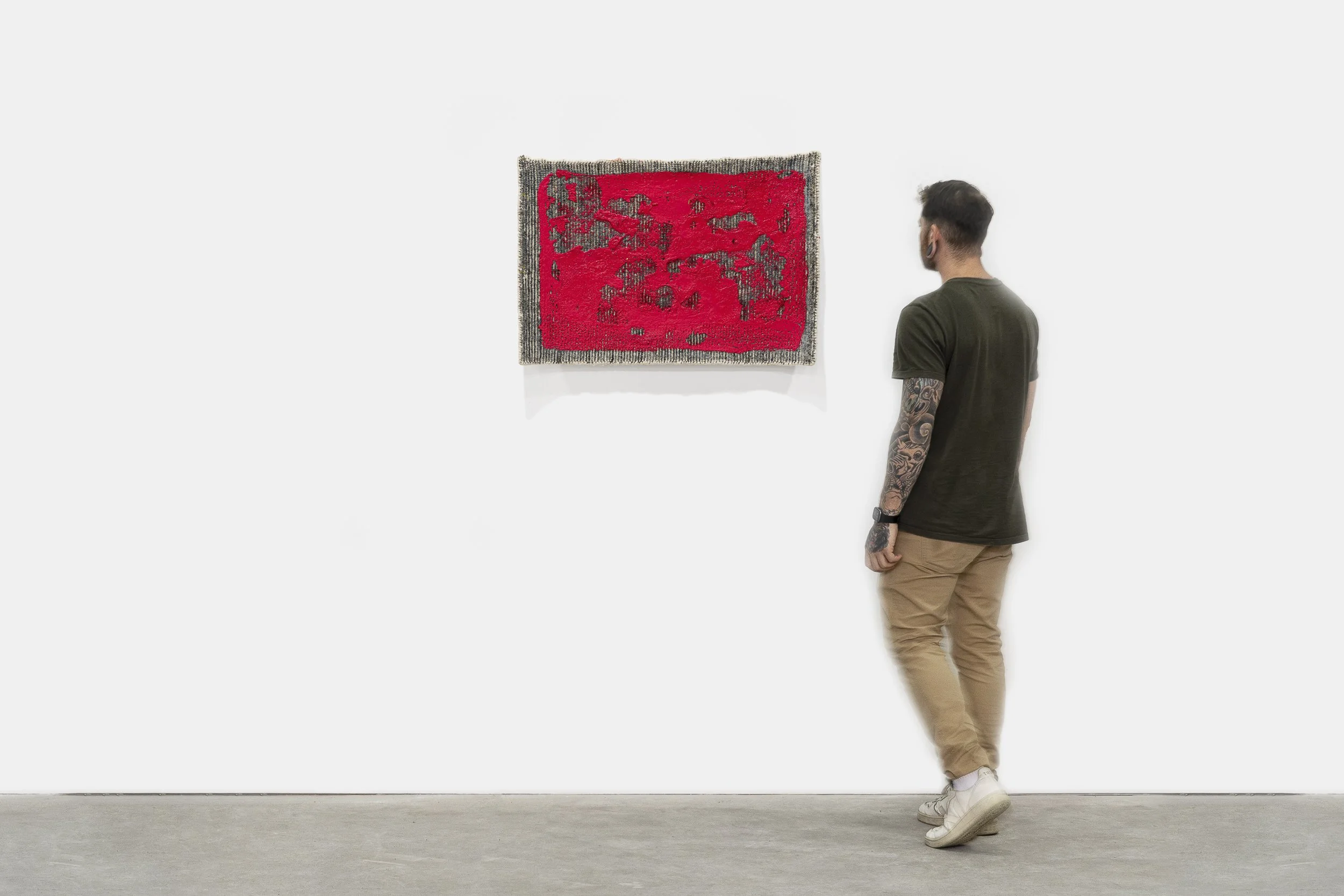
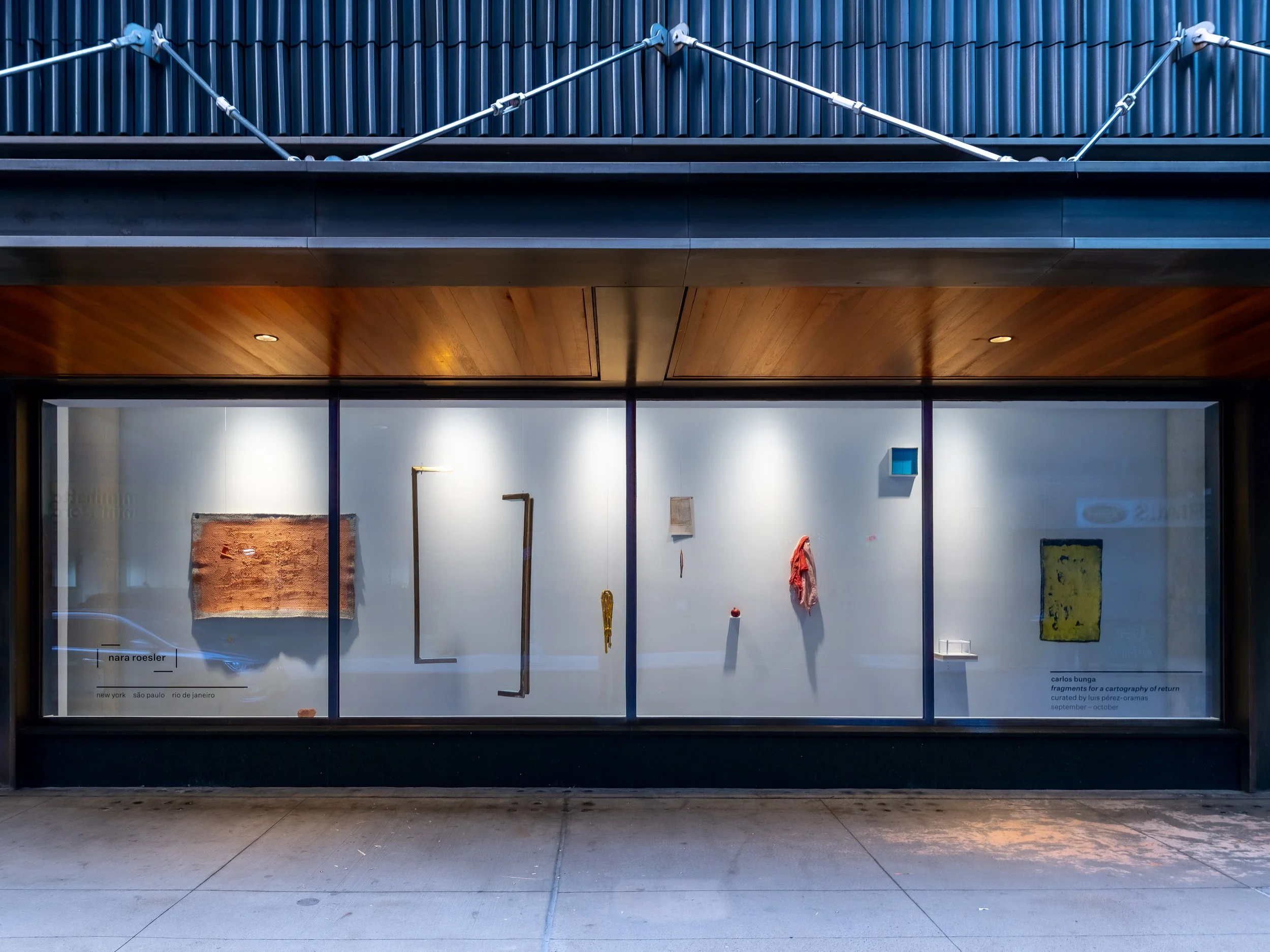
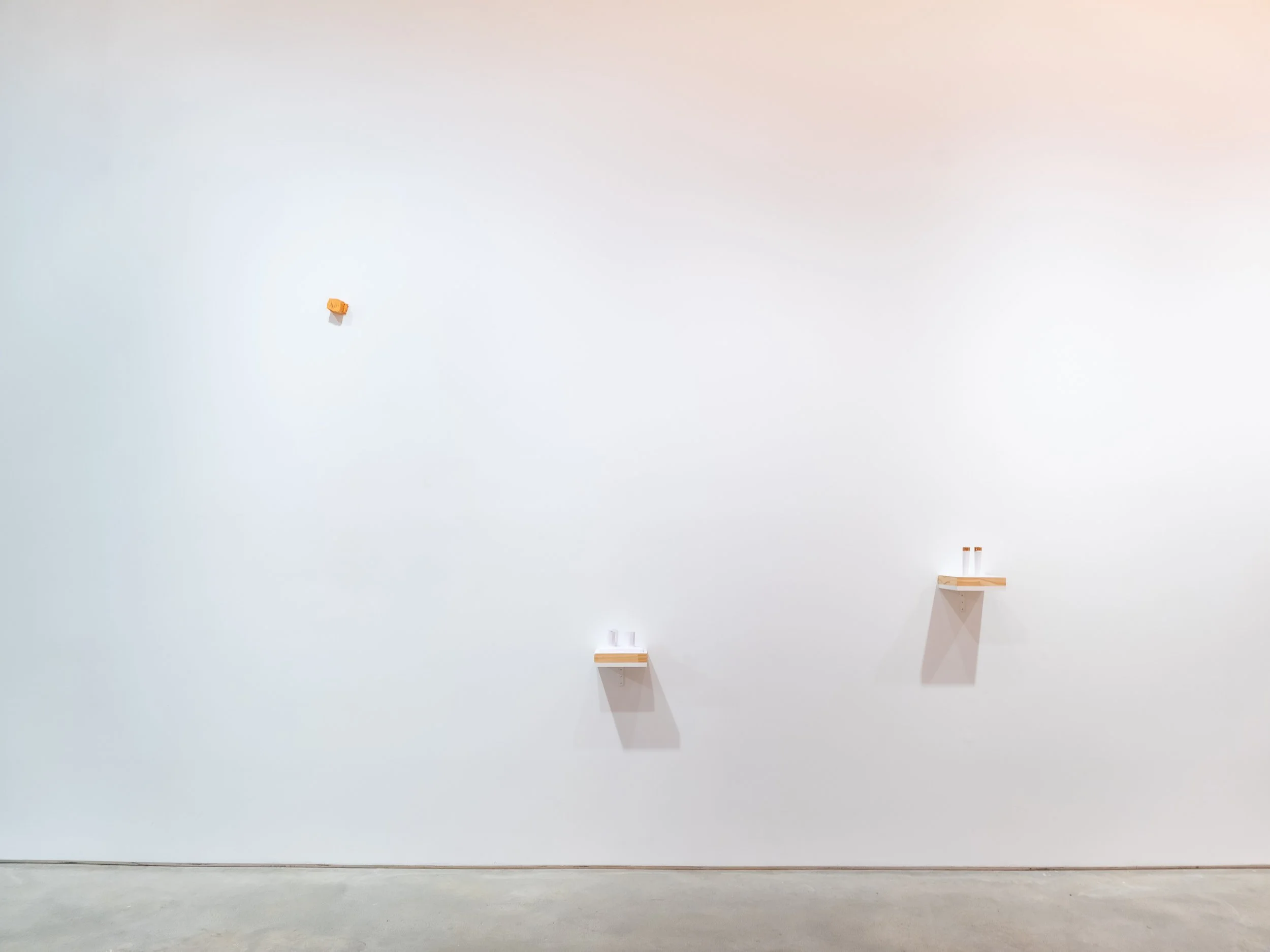
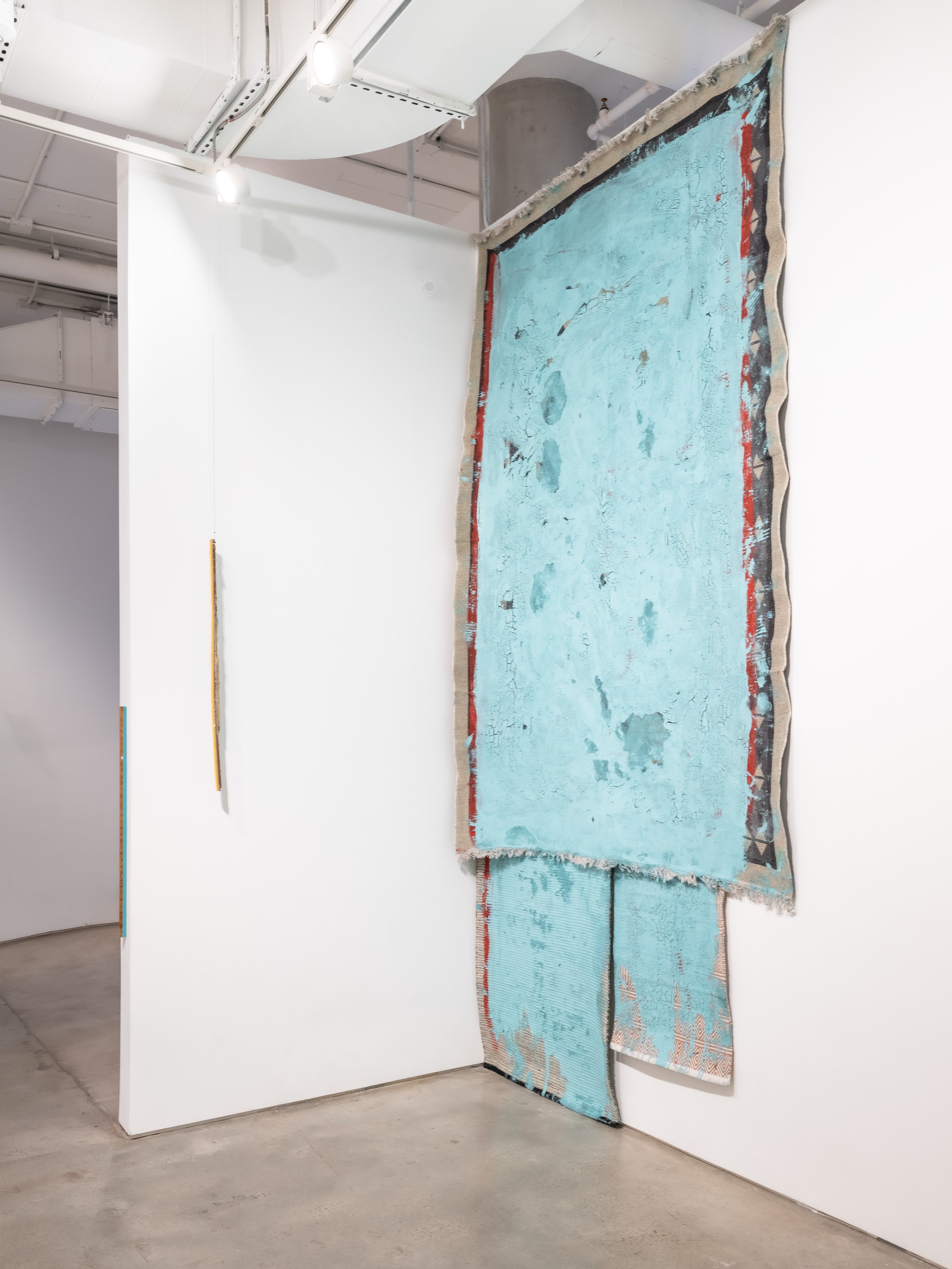
Views of the exhibition. Photos: courtesy Nara Roesler.
Nara Roesler +info
Bunga is known for his poetic and radical exploration of the polymorphic materiality of art. As such, in his work, matter can take the form of shelter, model, performative field, support for mapping, prototype, imprint, mark, remnant, ruin, or larvae. His mastery of diverse media underpins a nomadic practice driven by a fascination with potential forms. The ambiguity of his architectural sculptures and his paintings on cardboard and tapestries situates much of his work between what has been and what could be: past and future, ruin and prototype, absence and utopia.
“This poetic uncertainty informs Bunga’s art as a nomadic practice. Contrary to the sedentary, as Deleuze and Guattari noted, the nomad does not move from one point to another–it is the trajectory that matters. In this sense, Bunga continuously maps, marks pathways, and emphasizes the porosity of art. Maps to nowhere, from nowhere–an atopic cartography,” states Pérez-Oramas, curator of the exhibition.
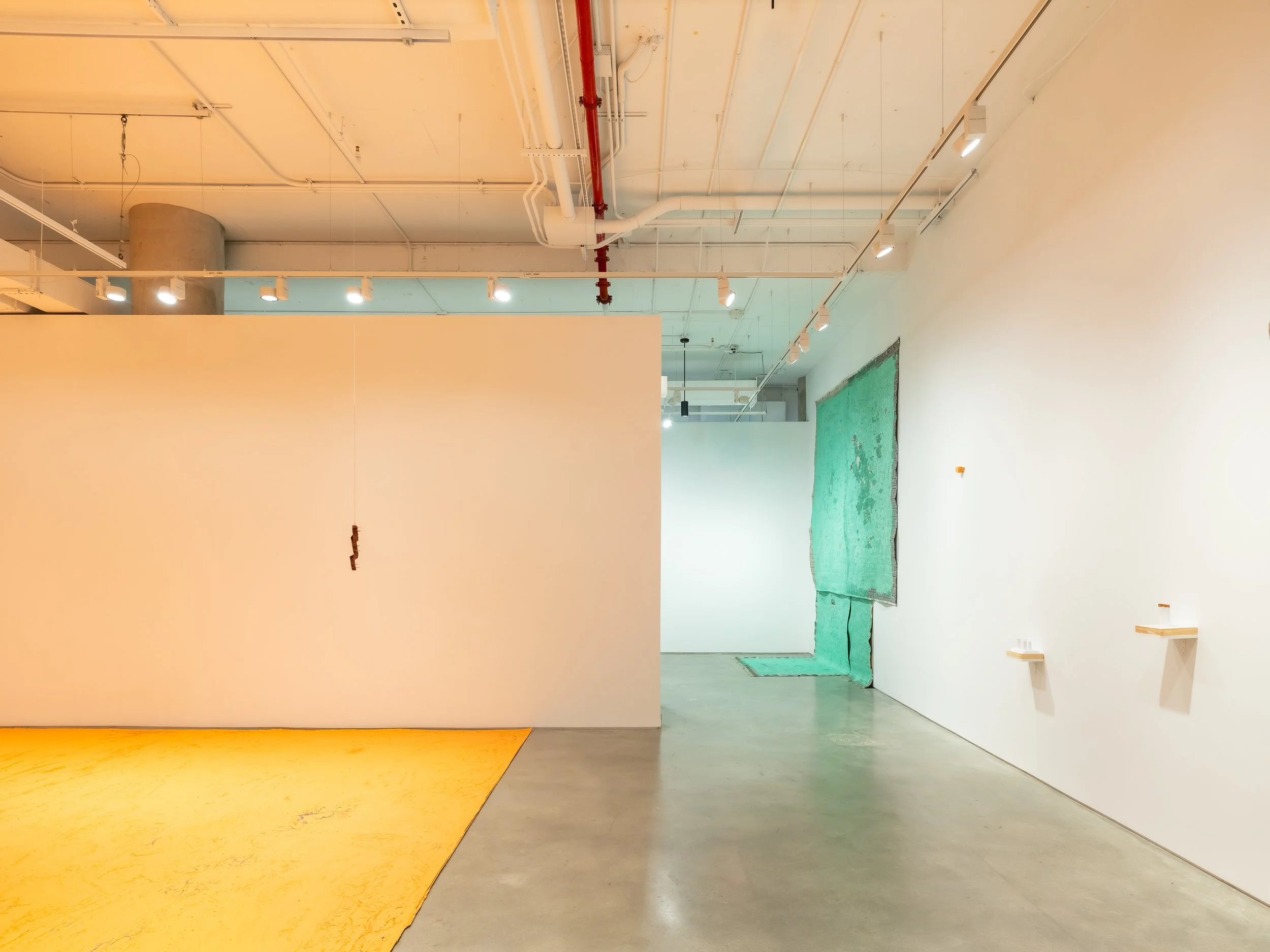
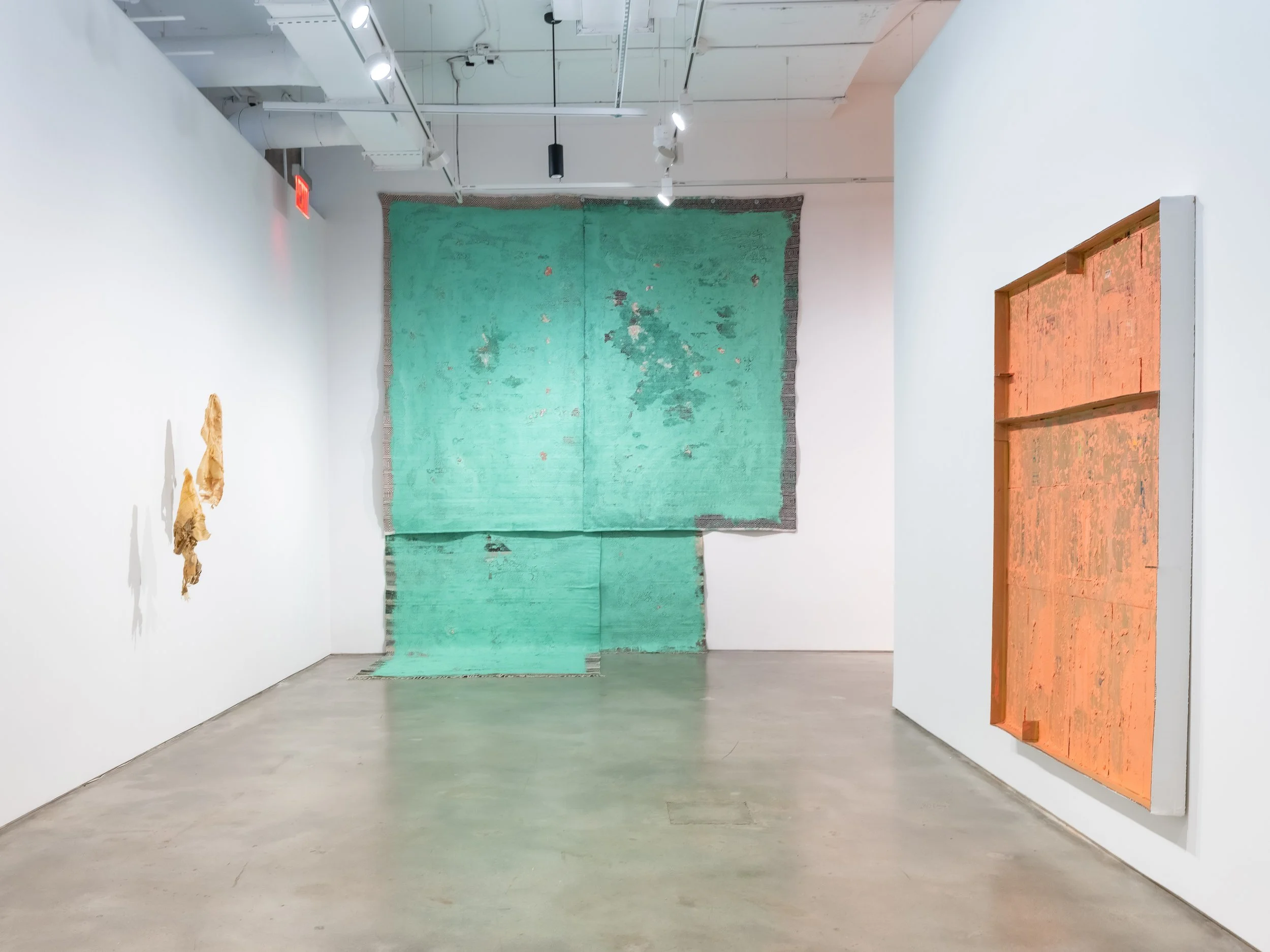
Fragments for a Cartography of Return unfolds in three “stations.” The first, visible from the street, transforms the gallery’s large window into a mural of traces, combining sculptural models, found objects, and video, open to the exterior. Inside, visitors encounter Bunga’s signature “maps,” textured paintings on cardboard and fabric. Their bright, vibrant colors—discontinuous and crackled–evoke a fleeting dimension, deeply connected to nature’s unexpected surging and the human experience of drifting. “As useless cartographies, these works open space to an experience of disorienting passages and expectation. According to Deleuze and Guattari, the nomad knows how to wait; his patience is infinite,” adds the curator.
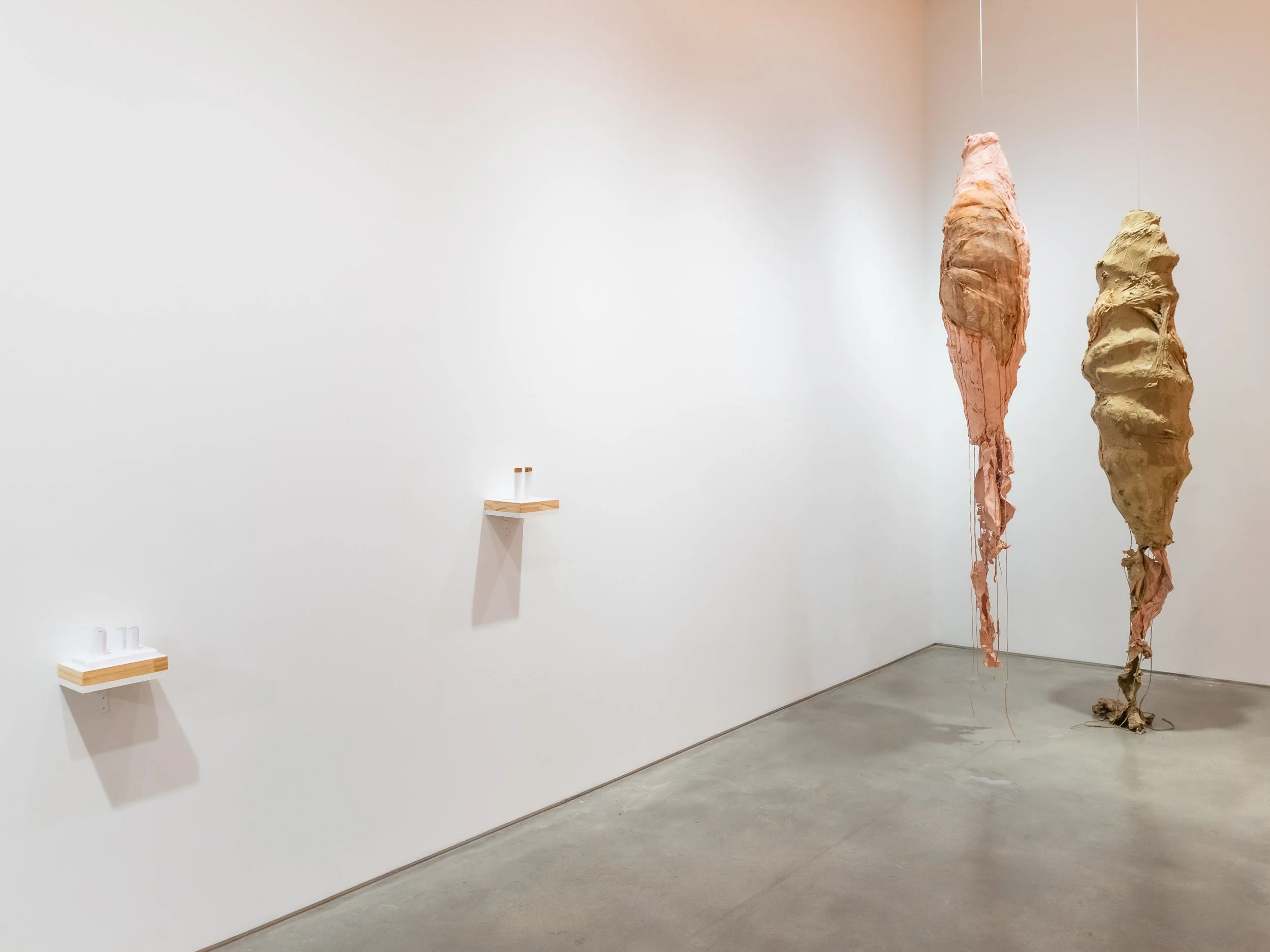
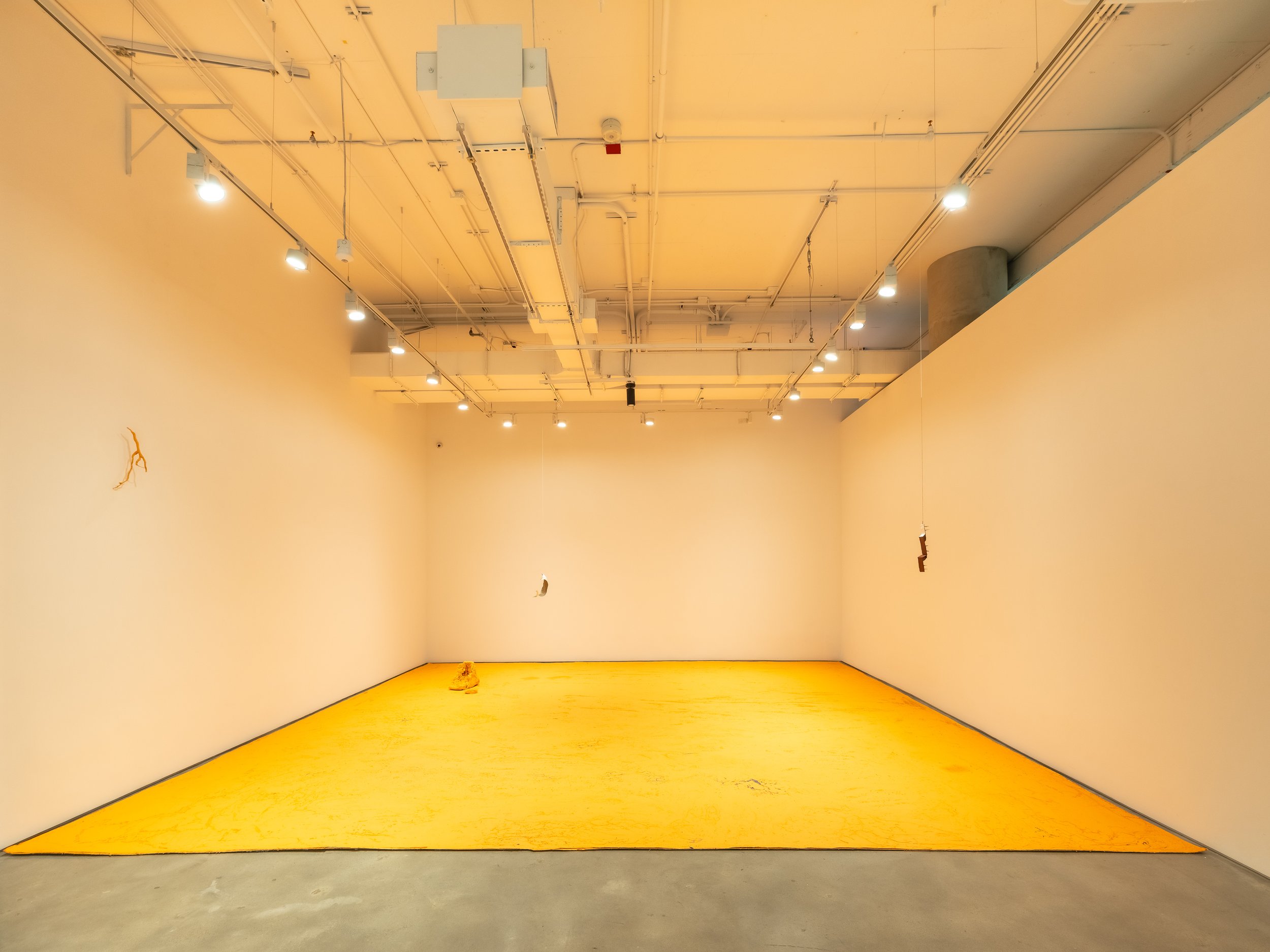
The final station occupies the gallery’s largest room: a monumental, site-specific floor painting that invites viewers into a sensory experience–walking across a thick layer of crackled paint, feeling the color’s ephemeral nature beneath their feet–surrounded by suspended sculptures the artist calls Casullos (“Cocoons”), larvae-shaped forms, sculptures in becoming. Together, they suggest a return to potential, to the imminence of forms.
GENERAL VIEWS
ARTWORKS
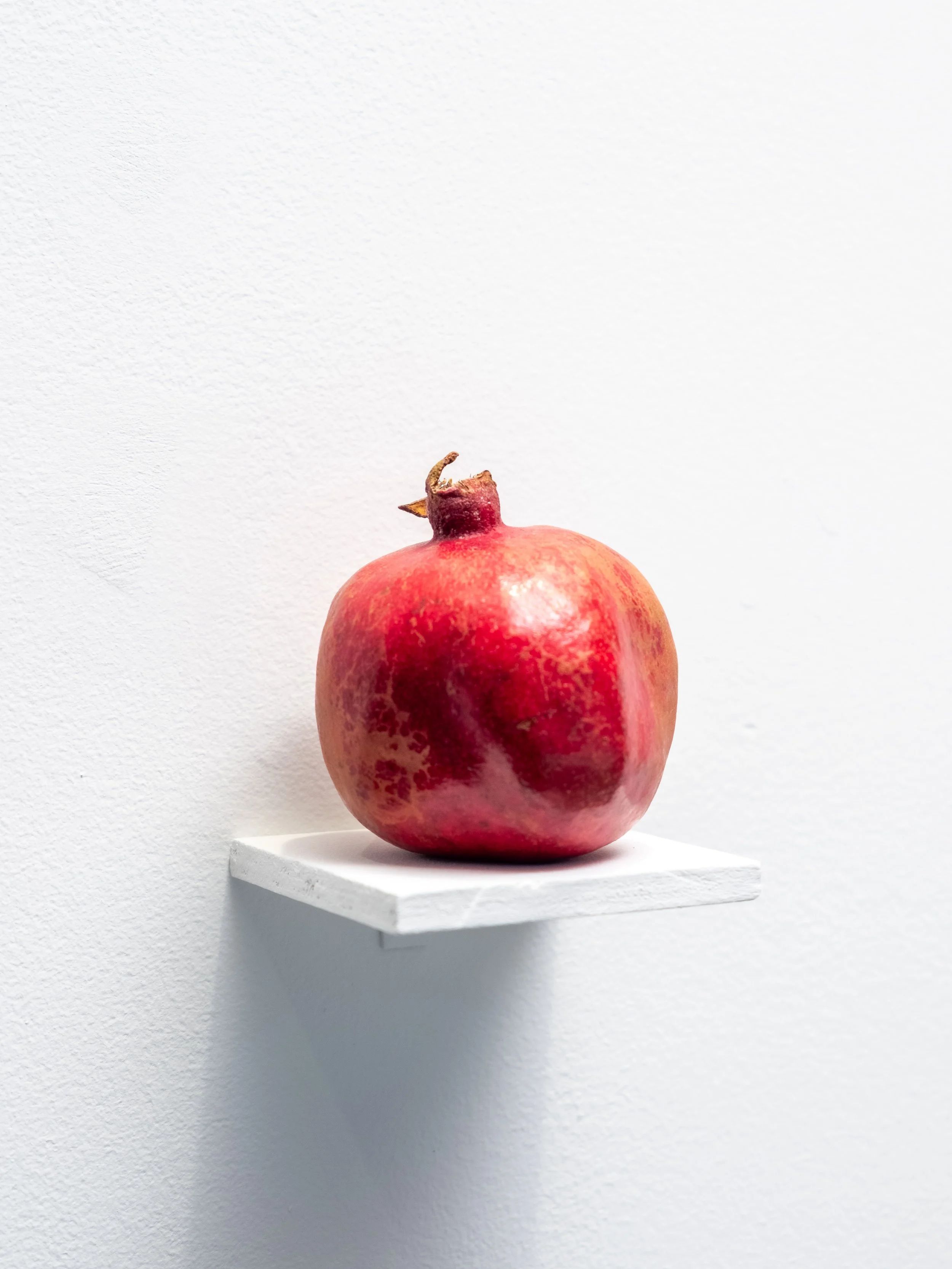
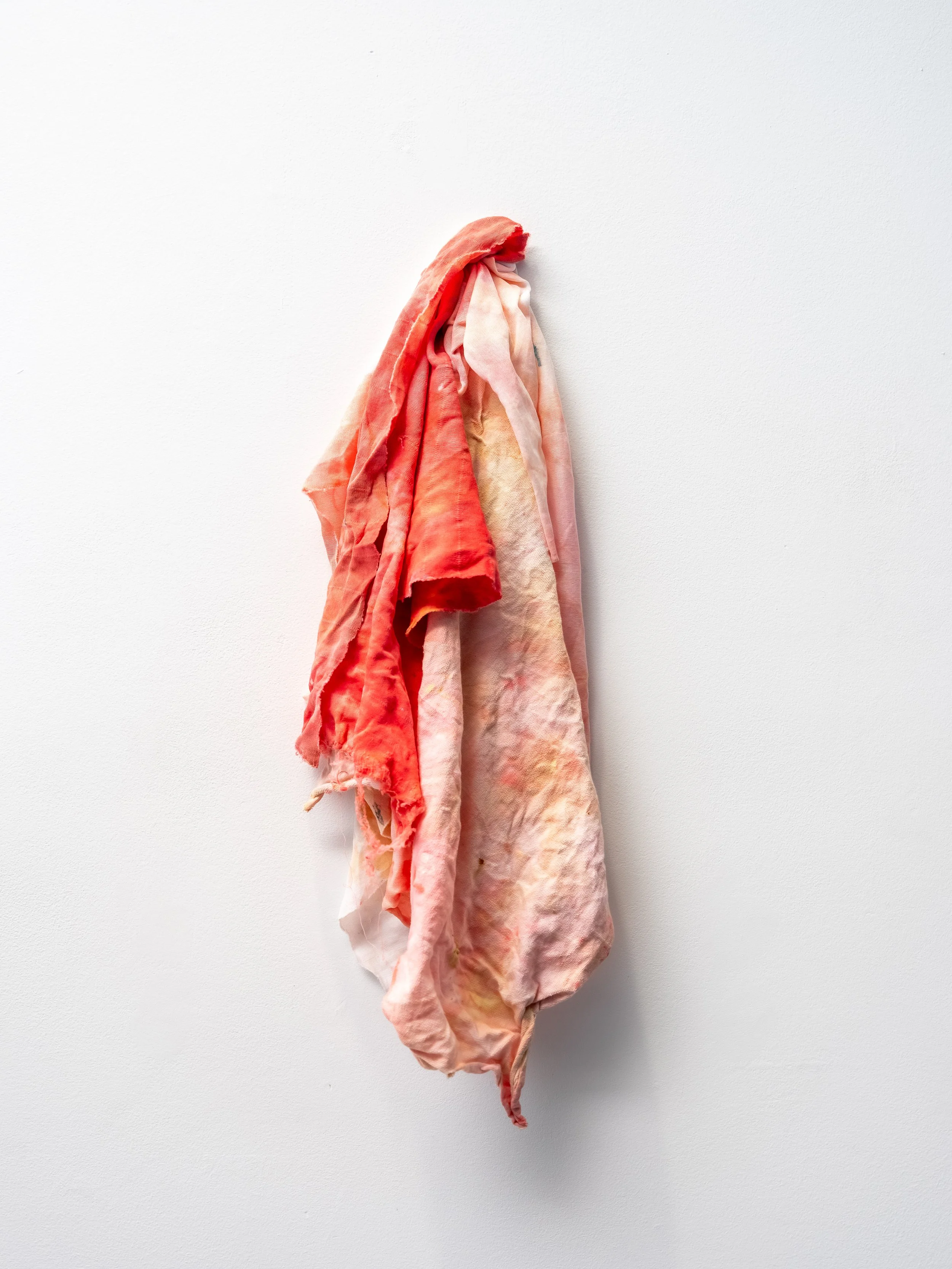

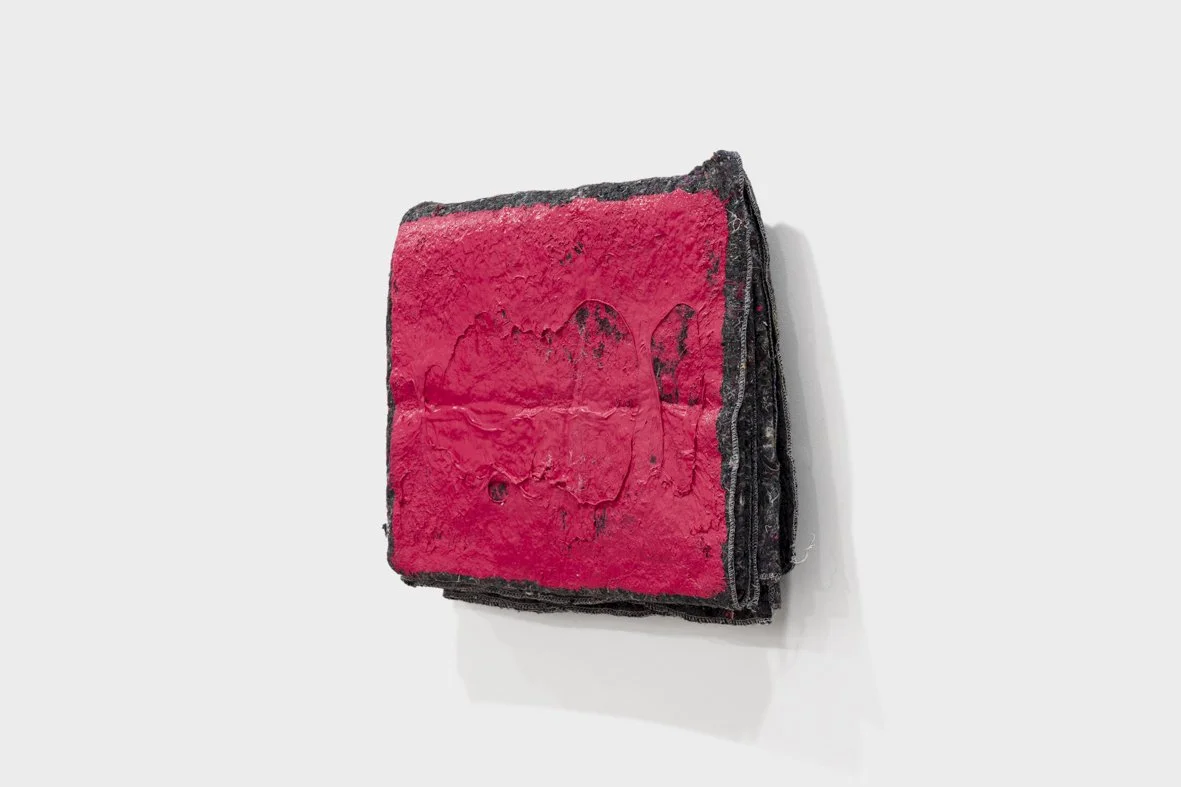
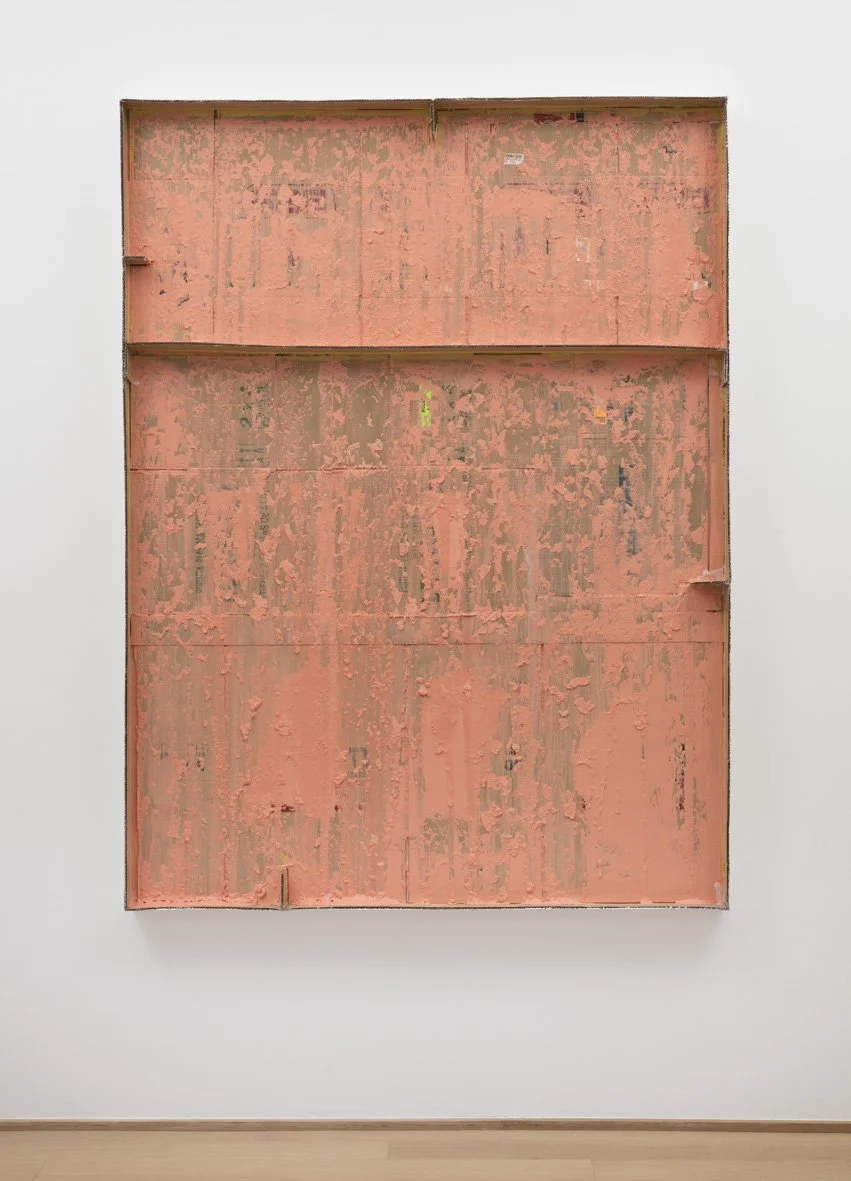
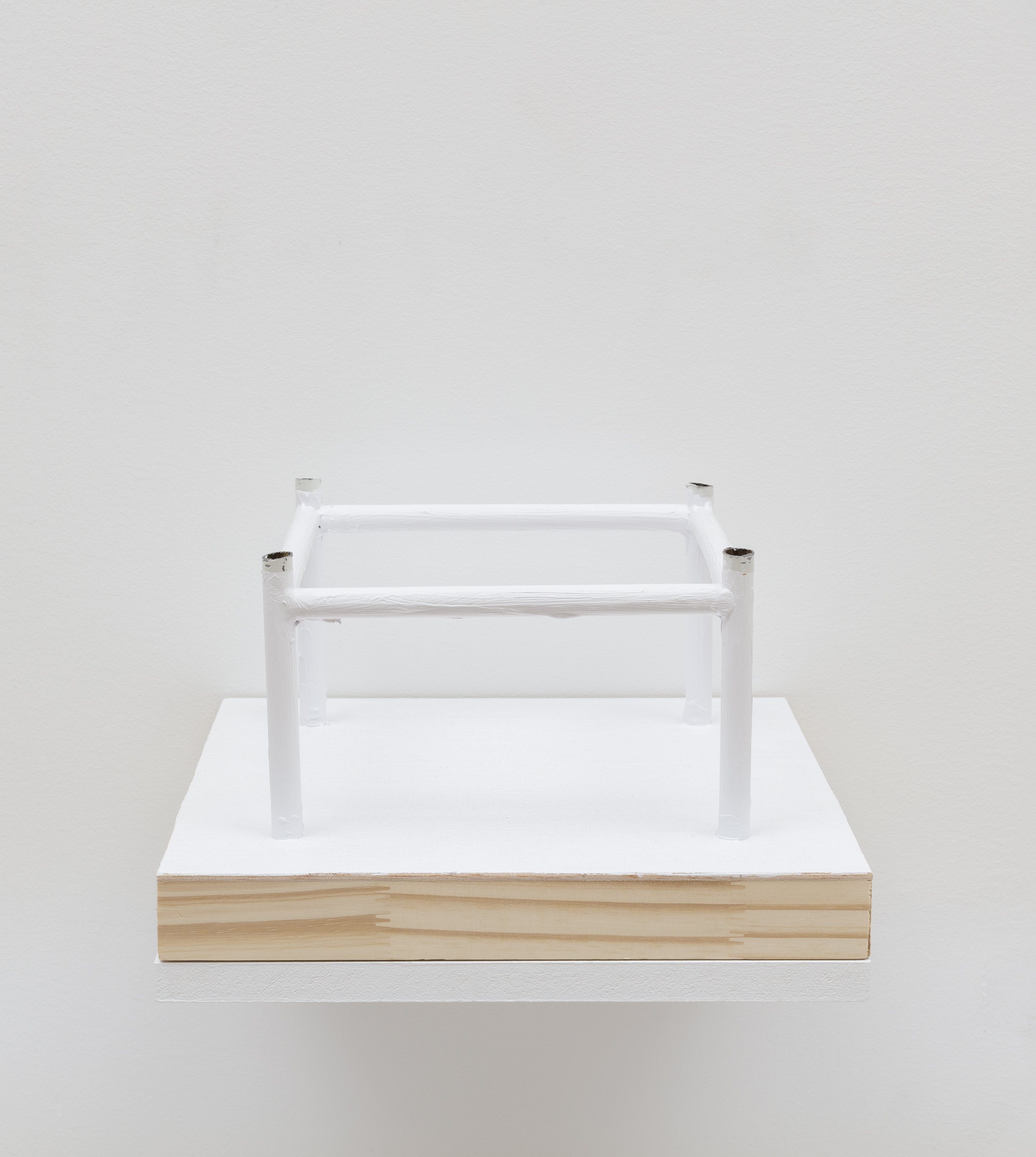
Top: Intersection Series #2 (2015), Free Standing Painting #61 (2013). Bottom: Construcción pictórica #24 w (2017), Absence #2 (2017)
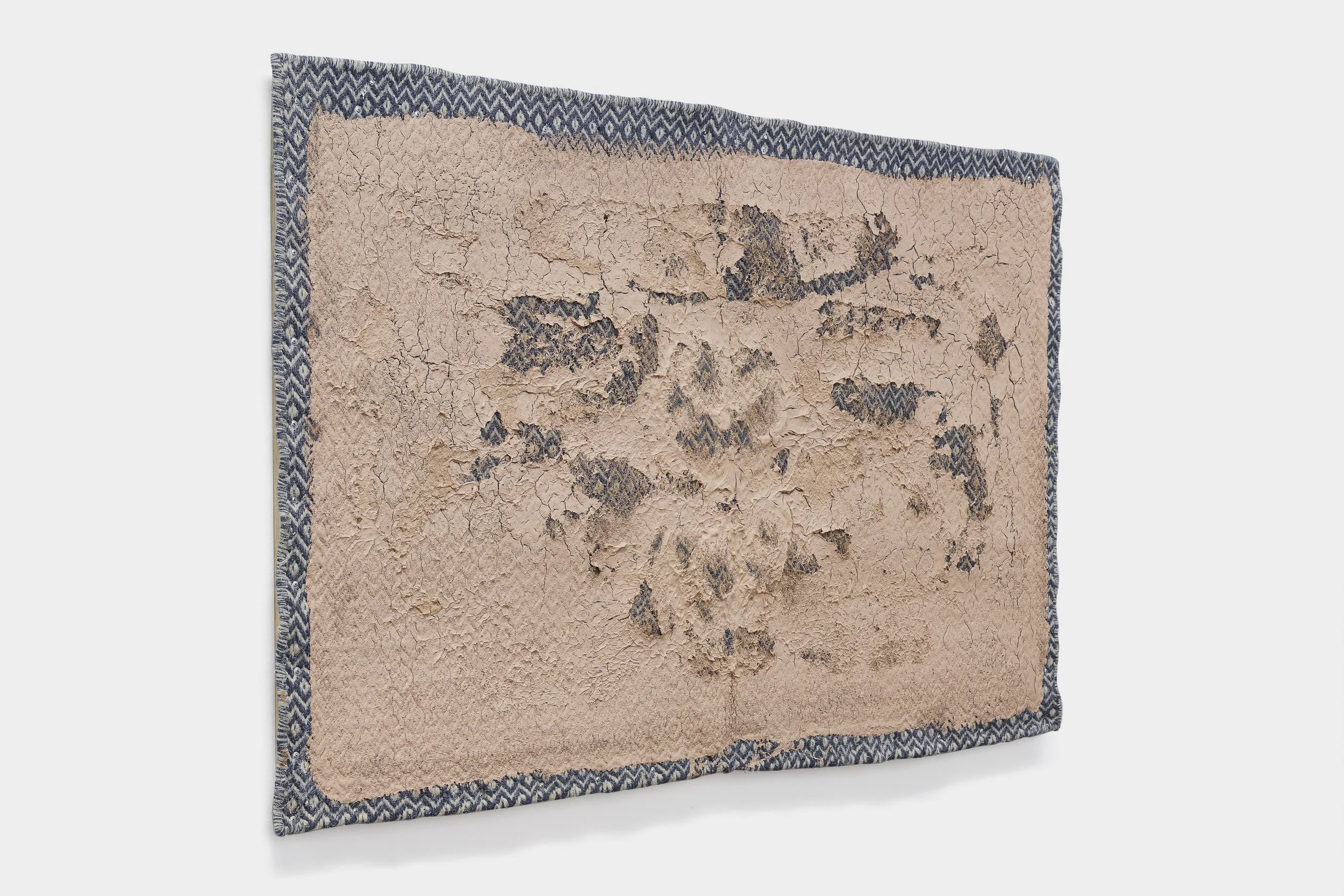
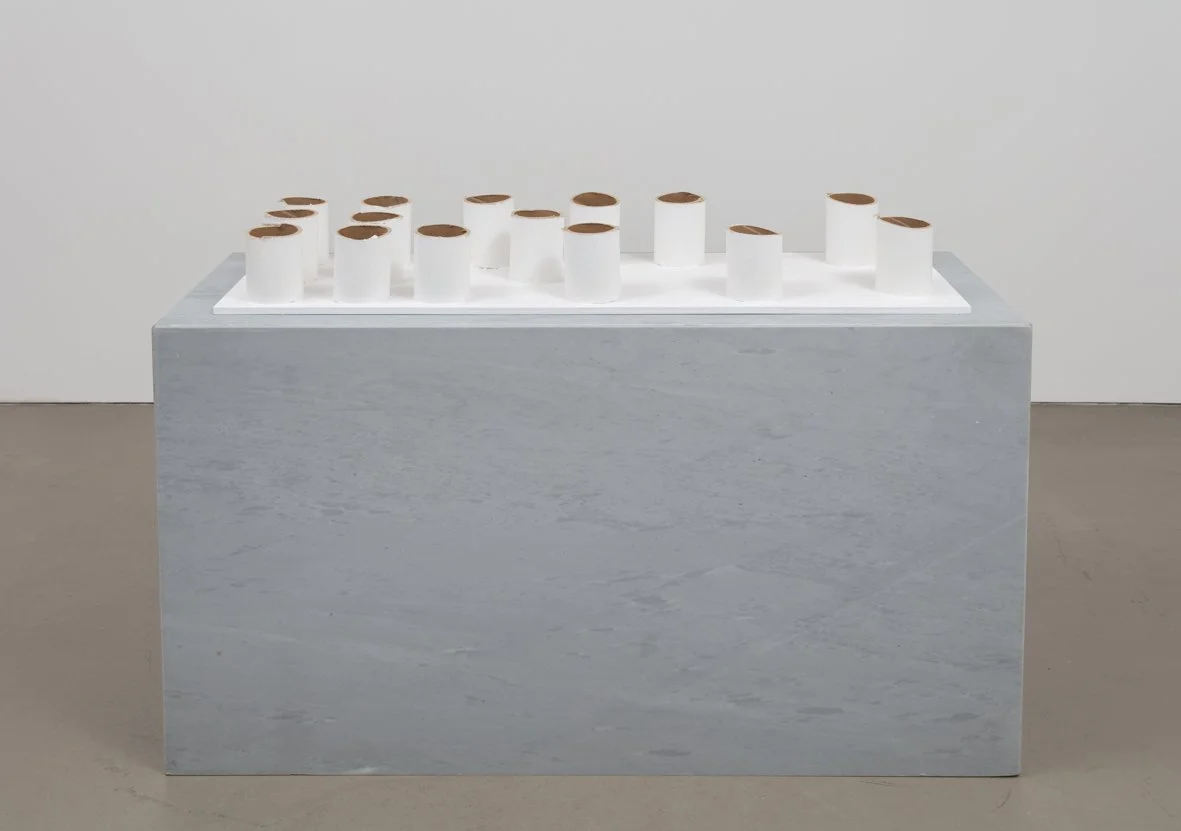
New maps #5 (2023). Planos verticales entrecruzados (2010).
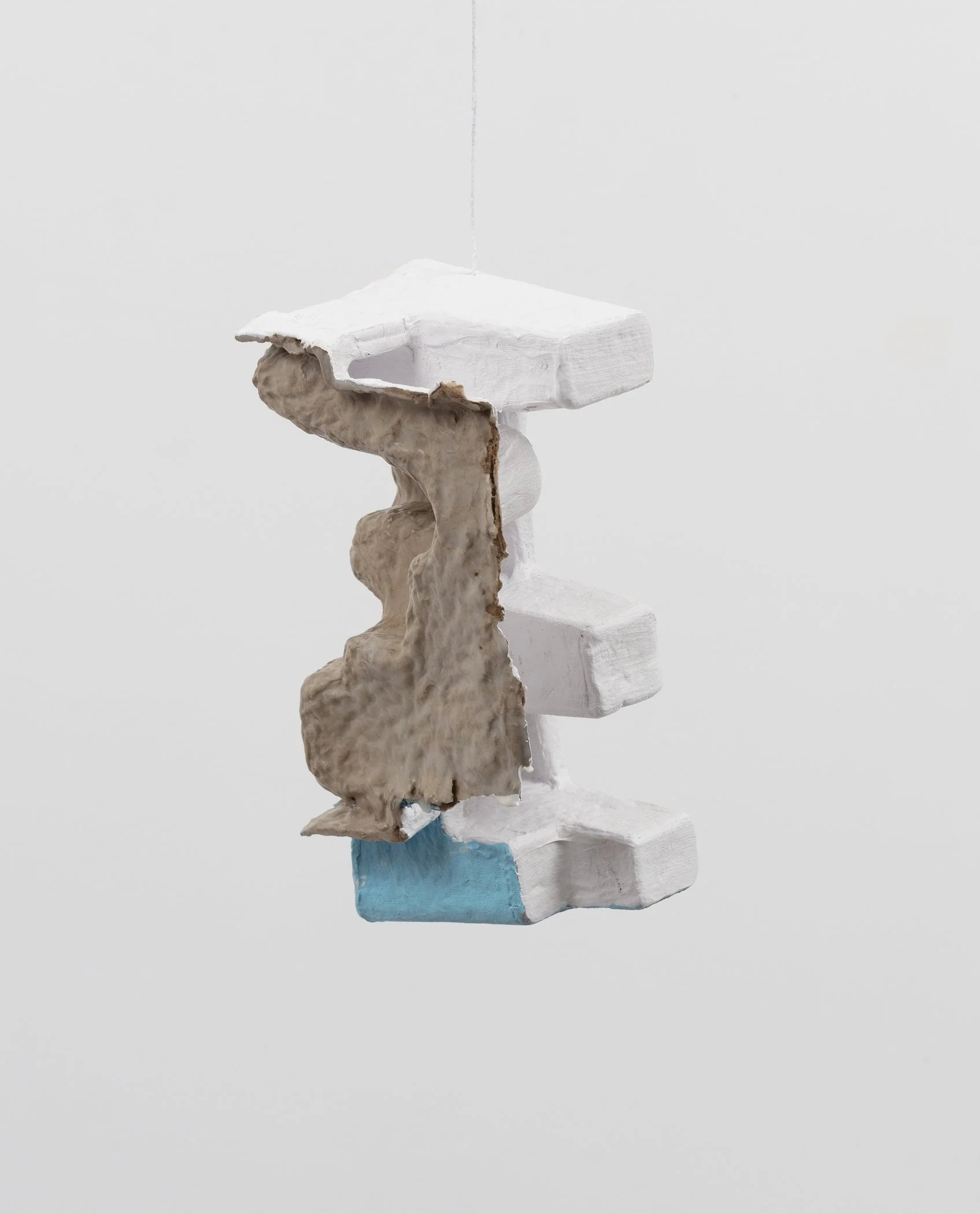
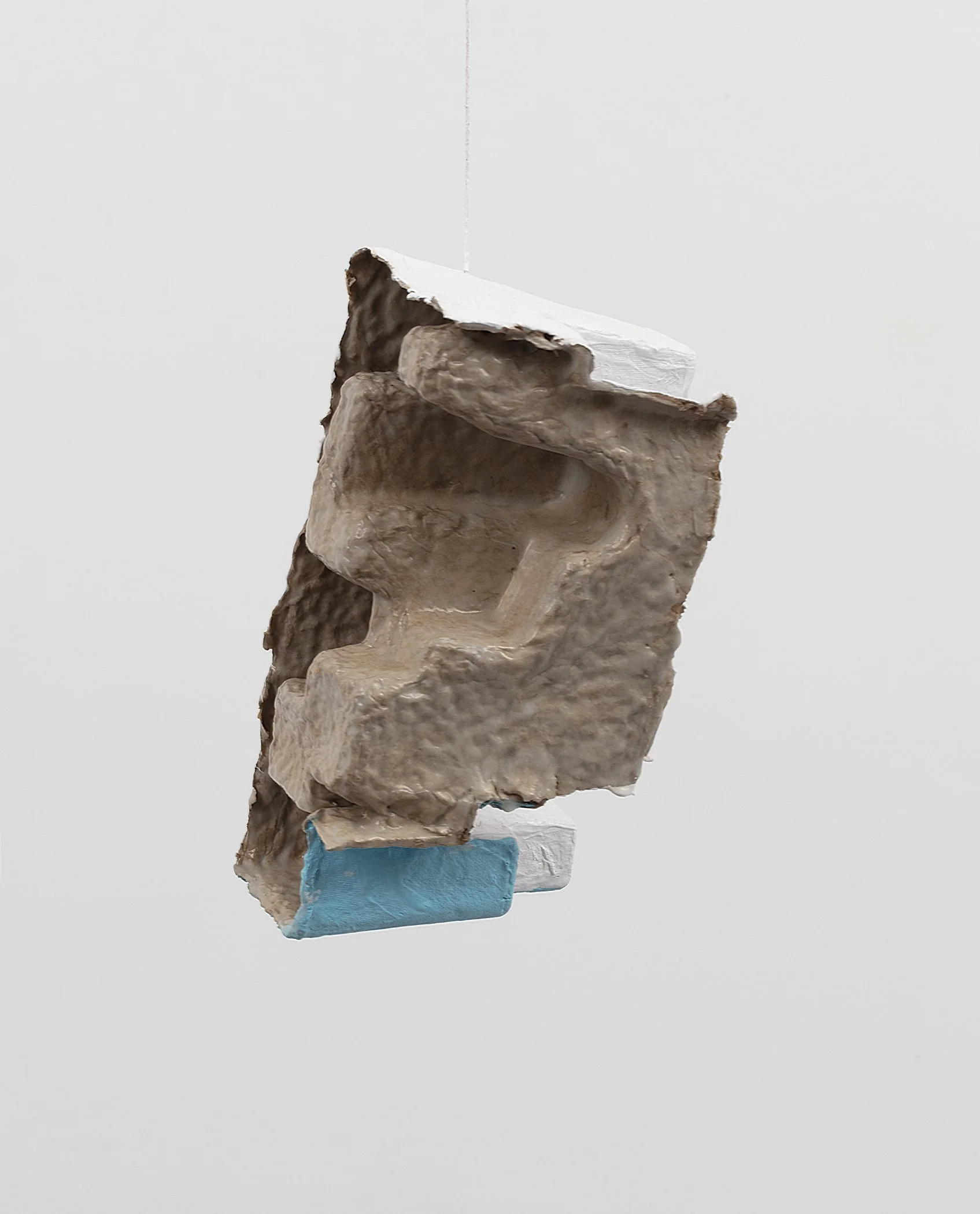
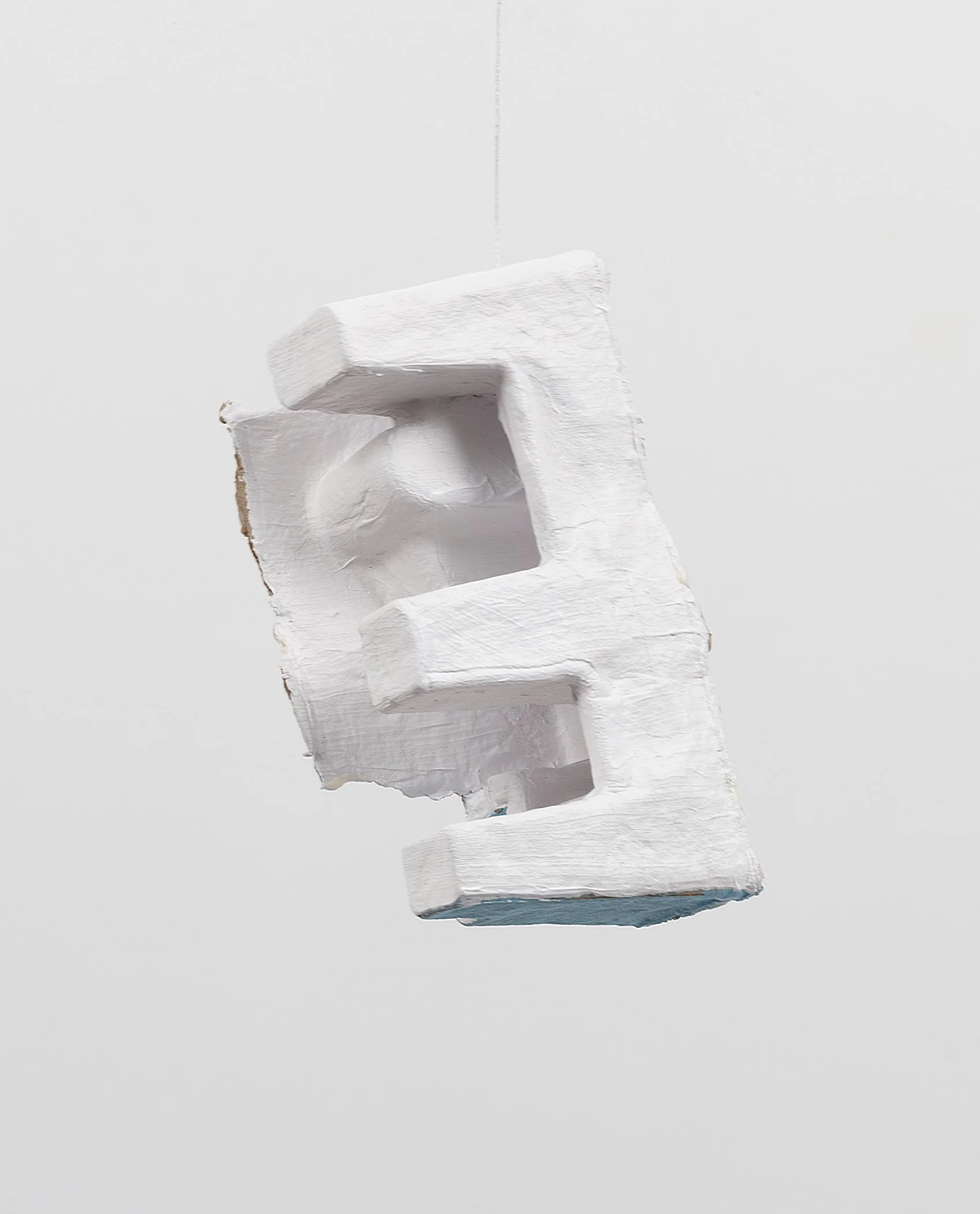
Corner. Cocoon (2013)
Curator: Luis Pérez-Oramas
2025. New York, USA.
